
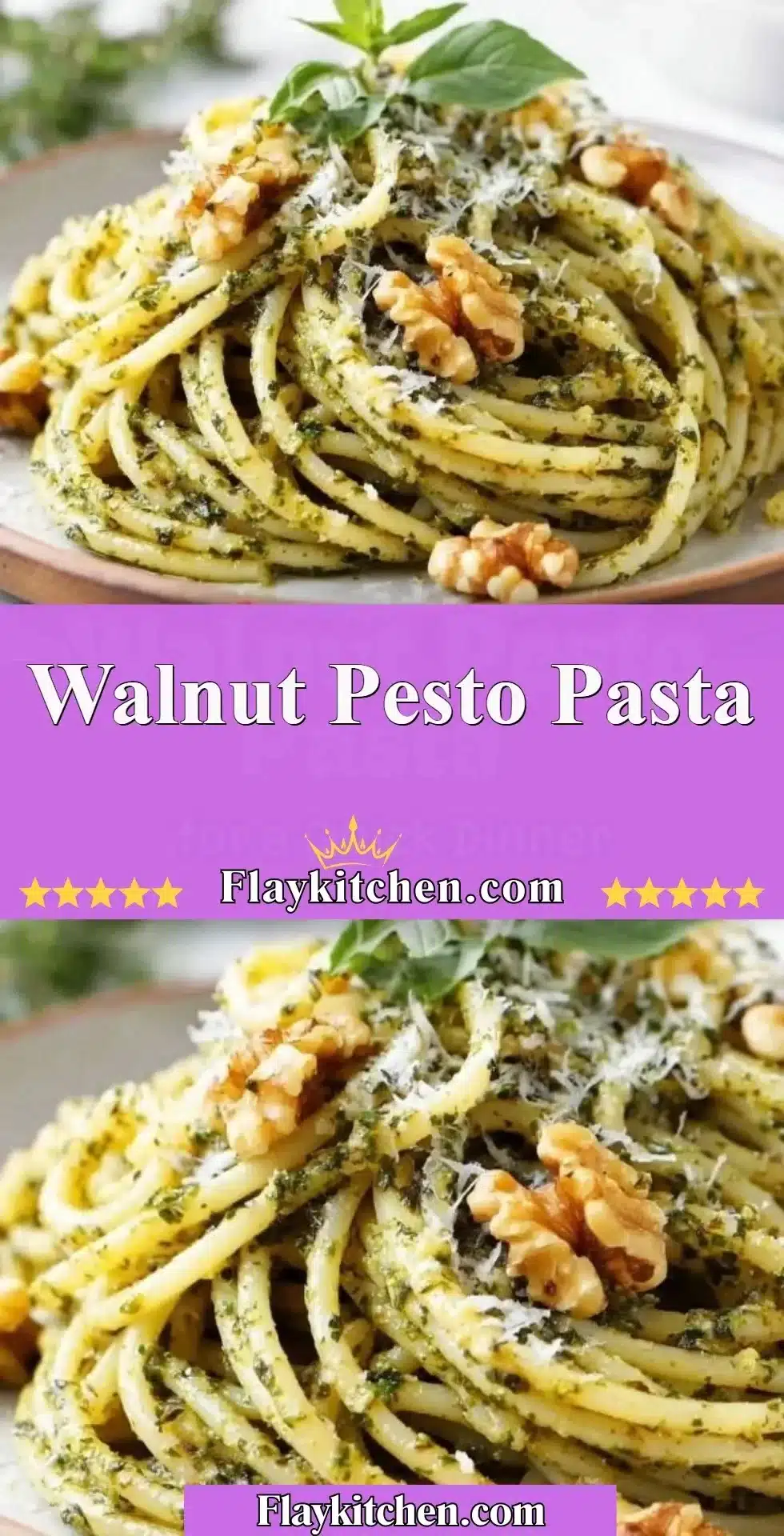
There’s a memory imprinted in my heart that draws me back to a sun-drenched afternoon in my grandmother’s kitchen. It was one of those serene days when the warmth of the North Carolina sun streamed through the window, carrying with it the scent of freshly cut basil mingling with the earthy aroma of walnuts. My grandmother had decided we would make Walnut Pesto Pasta, a dish that felt special yet entirely approachable, capturing the spirit of the family meals she cherished. As I watched her deftly combine the nuts, herbs, garlic, and olive oil in her old food processor, I felt the thrill of creation—nourishing not just our bodies, but our hearts. The vibrant green of the pesto came to life with each pulse of the blade, and I couldn’t help but sample a spoonful, a burst of fresh flavor exploding in my mouth.
Later, as we twirled the pasta together, laughter filled the room, mixing with the sounds of boiling water and soft chatter. She taught me that cooking wasn’t merely about the ingredients; it was about love, memory, and sharing joy. That first taste of Walnut Pesto Pasta was a symphony of flavors that I’ve carried with me ever since—a dish that speaks of heritage and creativity, comforting in its simplicity. Now, as I prepare it for my own family, I realize it’s not just a recipe; it’s a bridge connecting generations, a way to pull my loved ones close to the warmth of the table.
Flavor and Popularity
The Unique Flavor Profile of Walnut Pesto Pasta
Walnut Pesto Pasta stands out due to its earthy, rich flavor profile. Unlike the classic pine nut pesto, the walnuts introduce a buttery, slightly bitter note that adds complexity. Fresh basil delivers a burst of herbal brightness, while the garlic contributes its signature punch. The olive oil unifies these elements, creating a velvety, smooth sauce that clings beautifully to the pasta. You can easily adjust the seasoning with a touch of salt and pepper, but I like to add a sprinkle of red chili flakes for a hint of warmth. The combination offers a satisfying umami experience that resonates with anyone who takes a bite.
This dish’s popularity extends beyond just flavor; it’s incredibly versatile. Walnut Pesto Pasta can serve as a light main dish, a delightful side, or even a base for grilled chicken or roasted vegetables. The fresh, vibrant color makes it visually appealing, and its taste is simply unforgettable. It invites conversation, laughter, and even a little bit of nostalgia at the dinner table. Whether you’re entertaining guests or whipping up a quick weeknight meal, this pasta never fails to impress.
Why This Recipe Is a Family Favorite and Crowd-Pleaser
This recipe quickly became a family favorite, not just for its taste but for the ease with which it comes together. On busy nights, I can whip it up in less than 30 minutes, making it perfect for spontaneous gatherings or cozy family dinners. It brings a sense of joy to the table that comes from sharing a dish steeped in love and tradition. My kids often ask for it when they have friends over, and it never fails to impress their taste buds.
Moreover, I love that it encourages creativity. You can customize the pesto with other herbs or add in seasonal veggies for extra nutrition. I remember one summer, we tossed in fresh zucchini from the garden, and the entire meal came together in a beautiful, bursting array of flavors. If you’re looking for something that you can depend on regardless of the occasion, this Walnut Pesto Pasta will not disappoint.
Ingredients and Preparation
Essential Ingredients and Possible Substitutions
To make Walnut Pesto Pasta, you will want to gather a few essential ingredients. Here’s what you’ll need:
- Pasta: Choose your favorite variety—spaghetti, penne, or any shape you love. Whole wheat or gluten-free options work wonderfully, too.
- Walnuts: The star of the dish, providing that rich, nutty flavor. You can toast them lightly for an added depth.
- Fresh Basil: This herb is key for that fragrant aroma and vibrant taste. If basil isn’t available, try using arugula or spinach for a different twist.
- Garlic: Fresh garlic brings a pungent brightness that elevates the sauce.
- Olive Oil: A high-quality extra virgin olive oil provides richness and helps emulsify the pesto.
- Parmesan Cheese: For that nutty, salty flavor. Nutritional yeast can be a vegan substitute.
- Lemon Juice: Just a squeeze to brighten all the flavors.
- Salt and Pepper: Essential for seasoning.
If you need substitutions, don’t worry! You can swap walnuts for pecans or even sunflower seeds for a nut-free version. Feel free to adjust the cheese according to your dietary preferences.
Step-by-Step Recipe Instructions with Tips
Creating Walnut Pesto Pasta is a breeze. Here’s how to make it:
Cook the Pasta: In a large pot, bring salted water to a boil. Add your pasta and cook according to the package directions until al dente. Reserve about a cup of the pasta water before draining.
Prepare the Pesto: In a food processor, combine the walnuts, basil, garlic, and Parmesan cheese. Pulse a few times until finely chopped. With the motor running, slowly drizzle in the olive oil until the mixture becomes a smooth paste.
Adjust Taste: Add lemon juice, salt, and pepper. Taste and adjust as needed.
Combine and Serve: In a large bowl, toss the drained pasta with the pesto. Add reserved pasta water in small amounts if you need to loosen the sauce.
Garnish: Serve warm, topped with extra walnuts and Parmesan, if desired.
Pro Tip: You can make the pesto ahead of time and refrigerate it in an airtight container for up to a week. Just give it a good stir before mixing it with freshly cooked pasta.
Cooking Techniques and Tips
How to Cook Walnut Pesto Pasta Perfectly
Cooking the pasta perfectly is crucial to achieving the best Walnut Pesto Pasta. Always use a large pot with plenty of water to prevent the pasta from sticking. As the pasta cooks, stir it occasionally and taste it a minute or two before the package’s suggested cooking time. You want it al dente, tender yet firm to the bite.
When mixing the pasta with the pesto, remember that heat can dull the fresh flavors of the pesto. If the pasta has cooled, you can warm it gently in a skillet with a splash of olive oil to help incorporate the sauce beautifully.
Common Mistakes to Avoid
One common mistake is overcooking the pasta. Pay close attention to the cooking time and do not forget to reserve pasta water—it’s a flavorful tool to adjust the sauce texture! Also, do not add the pesto directly to the boiling pasta but rather mix them in a bowl to ensure every strand is well-coated in that luscious sauce.
Another mistake comes from skimping on quality. Using fresher, high-quality ingredients will transform your dish from good to extraordinary. Don’t just use any old olive oil—choose an extra virgin olive oil that complements the flavors, and opt for real Parmesan instead of pre-grated cheese.
Health Benefits and Serving Suggestions
Nutritional Value of Walnut Pesto Pasta
Walnut Pesto Pasta is not only rich in flavor but also packs a punch regarding nutritional value. Walnuts are an excellent source of healthy fats, protein, and essential vitamins like vitamin E, and they possess antioxidant properties. Fresh basil provides vitamins A, C, and K, while garlic can boost your immune system. When paired with whole-grain pasta, the fibers offer longer-lasting energy.
This pasta dish can be made healthier by adding in seasonal vegetables, such as spinach or cherry tomatoes, giving it an added nutrient boost and gorgeous color. Plus, it makes the dish more filling!
Best Ways to Serve and Pair This Dish
Walnut Pesto Pasta shines on its own, but it also pairs beautifully with grilled chicken or fish for a heartier meal. For a vegetarian option, add roasted vegetables like zucchini, asparagus, or bell peppers. If you’re feeling up for it, a side of garlic sautéed mushrooms steals the show and echoes the nutty flavors of the pasta.
You can also serve this pasta warm or cold. Toss it with arugula and halved cherry tomatoes for a refreshing summer salad that showcases those vibrant flavors.
FAQ Section
What type of mushrooms are best for Walnut Pesto Pasta?
I recommend using cremini or button mushrooms for their mild, earthy flavor that complements the richness of the walnut pesto beautifully. You can also sauté shiitake mushrooms for a deeper, umami flavor.
Can I use dried garlic instead of fresh?
While fresh garlic is highly recommended for its pungent flavor, you can use dried garlic in a pinch. Use about one-fourth the amount of dried garlic compared to fresh, but remember that the taste will differ slightly.
How do I store leftover Walnut Pesto Pasta?
To store your leftover Walnut Pesto Pasta, place it in an airtight container in the refrigerator. It will keep well for about three days. Reheat gently in a skillet with a splash of olive oil to revive its flavors.
Can I freeze Walnut Pesto Pasta?
Yes! You can freeze Walnut Pesto Pasta, but I recommend separating the pasta and pesto sauce first. The pesto freezes beautifully, while the pasta may lose some texture upon thawing. Store the pesto in an airtight container or a freezer bag for up to three months.
Conclusion
If you’re like me, the kitchen has always been a sacred space where stories unfold and flavors mingle in harmony. There’s something comforting about whipping up a dish as simple yet vibrant as Walnut Pesto Pasta. It allows us to create lasting memories around the dinner table, whether with a mindful bite of rosemary-scented walnuts or a bright splash of citrus. Trust me, you’ll want to make this again and again. Grab your ingredients, invite loved ones to help, and feel that warmth envelop you with every taste. Let’s share a meal wrapped in love, laughter, and a dash of nostalgia!
Print
Walnut Pesto Pasta
- Total Time: 30 minutes
- Yield: 4 servings 1x
- Diet: Vegetarian
Description
A vibrant and rich pasta dish featuring a homemade walnut pesto, perfect for family dinners or gatherings.
Ingredients
- Pasta (spaghetti, penne, or your choice)
- 1 cup walnuts (lightly toasted)
- 2 cups fresh basil leaves
- 2 cloves garlic
- 1/2 cup grated Parmesan cheese
- 1/2 cup extra virgin olive oil
- 1 tablespoon lemon juice
- Salt and pepper to taste
Instructions
- Cook the Pasta: In a large pot, bring salted water to a boil. Add your pasta and cook according to the package directions until al dente. Reserve about a cup of the pasta water before draining.
- Prepare the Pesto: In a food processor, combine the walnuts, basil, garlic, and Parmesan cheese. Pulse a few times until finely chopped. With the motor running, slowly drizzle in the olive oil until the mixture becomes a smooth paste.
- Adjust Taste: Add lemon juice, salt, and pepper. Taste and adjust as needed.
- Combine and Serve: In a large bowl, toss the drained pasta with the pesto. Add reserved pasta water in small amounts if you need to loosen the sauce.
- Garnish: Serve warm, topped with extra walnuts and Parmesan, if desired.
Notes
You can make the pesto ahead of time and refrigerate it in an airtight container for up to a week. Just stir before mixing it with freshly cooked pasta.
- Prep Time: 15 minutes
- Cook Time: 15 minutes
- Category: Main Course
- Method: Baking
- Cuisine: Italian
Nutrition
- Serving Size: 1 serving
- Calories: 400
- Sugar: 2g
- Sodium: 450mg
- Fat: 22g
- Saturated Fat: 5g
- Unsaturated Fat: 15g
- Trans Fat: 0g
- Carbohydrates: 45g
- Fiber: 5g
- Protein: 12g
- Cholesterol: 20mg
Keywords: pasta, walnut pesto, family recipe, easy meal, vegetarian pasta