Falafel bowls have a special place in my heart, and I still remember the first time I made them. It was a cold evening in Asheville, with the smell of spices blooming in my kitchen, a comfort against the chill. I had gathered all the ingredients with excitement, inspired by a little café down the street that served the best falafel I’d ever tasted. They turned crunchy on the outside and fluffy within, paired beautifully with fresh veggies and drizzled with tangy tahini. As I mixed everything together, I felt my grandmother’s presence guiding me, as if she were there to share in the joy of creating something delicious. In those moments, making falafel bowls became not just a recipe but a cherished experience filled with love, laughter, and memories.
As the falafel cooked to a golden brown in the skillet, I could almost hear my family’s laughter echoing in the dining room, ready to devour whatever I’d created. The earthy aroma of the chickpeas blended with herbs and spices filled the air, making every delicious bowl a vessel of joy. It was an evening of sharing and connection that I still cherish to this day—one that reminds me why I cook: to bring people together.
Flavor and Popularity
The Unique Flavor Profile of Falafel Bowls
Falafel bowls are a delightful burst of flavors and textures. The star of the show, falafel, is made from chickpeas or fava beans that have been grounded and blended with fresh herbs like parsley and cilantro. Adding ingredients like garlic and cumin gives it that savory depth that makes your taste buds dance. When they’re formed into little balls or patties and fried or baked to crispy perfection, these nuggets of goodness become a rich yet satisfying base for the bowl.
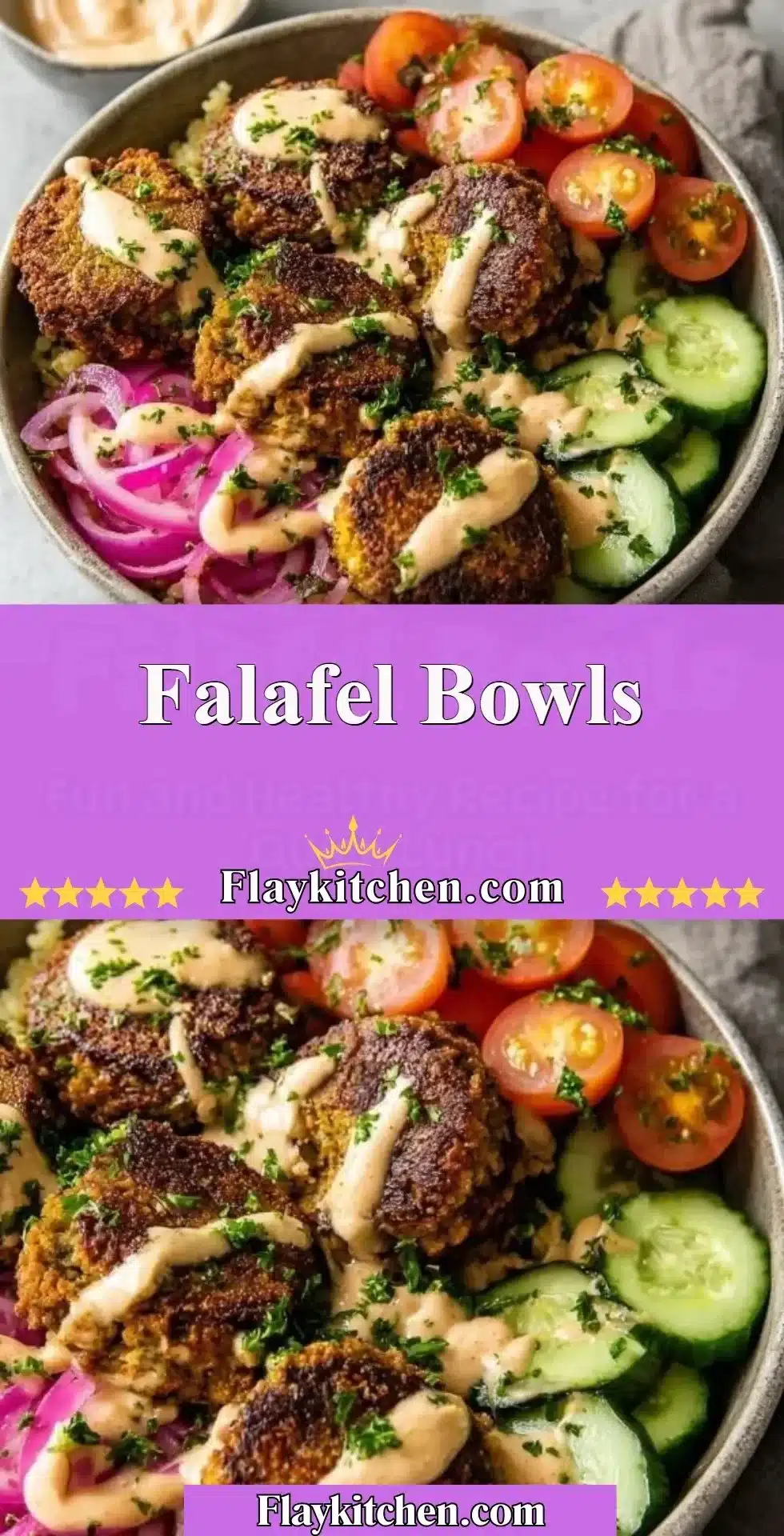
What really makes falafel bowls shine is the pleasing contrast of textures. You take a crispy falafel and pair it with creamy tahini sauce, a light crunch from fresh veggies, and a sprinkle of herbs that create a symphony on your palate. It’s this dance of flavors—earthy, herby, nutty—that keeps everyone coming back for more. This dish isn’t just a meal; it’s a hearty hug on a plate, comforting and nourishing, perfect for any time of year.
Why This Recipe Is a Family Favorite and Crowd-Pleaser
Why do my falafel bowls always steal the show at family gatherings? Simple: they captivate taste buds of all ages! Every time I set a colorful platter of falafel bowls on the table, my family dives in with enthusiasm. Most importantly, there’s no fussing over dietary preferences; they’re naturally plant-based and can adapt to gluten-free diets too. Everyone can add their own favorite toppings, creating a customized bowl that feels personal and special.
The beauty of falafel bowls is in the vibrant presentation and variety. You can layer ingredients according to preference—crunchy cucumbers, sweet tomatoes, or spicy pickles, drizzled with tangy sauces. With each layer, the bowls are as pleasing to the eye as they are to the palate. This flexibility makes it easy to serve crowds while keeping everyone happy, and that’s a rare gift for a home cook like me.
Ingredients and Preparation
Essential Ingredients and Possible Substitutions
To perfect your falafel bowls, gather these essential ingredients. Each one plays a vital role in creating the wonderful medley that is falafel:
- Chickpeas: The star of the show, providing the base and heartiness. Canned chickpeas work fine, but dried ones (soaked overnight) offer a more authentic texture.
- Fresh herbs: Parsley and cilantro bring brightness and an aromatic flavor. If you’re not a fan, you can use spinach or even kale for a twist.
- Garlic: Adds an essential kick. Substitute with garlic powder in a pinch, but fresh garlic truly elevates the dish.
- Spices: Cumin and coriander are my go-tos—earthy and warm. You can experiment with other spices like paprika for a smoky touch.
- Flour: A small amount of all-purpose flour or chickpea flour binds everything together. For a gluten-free option, use almond flour or oat flour.
- Tahini: This sesame paste offers a creamy texture and nutty flavor. You can swap it for sunflower seed butter for a nut-free alternative.
- Fresh veggies: Tomatoes, cucumbers, and bell peppers are classic choices. Feel free to incorporate whatever is in season or what you have on hand, like radishes or avocados.
- Lemon juice: A must for drizzling after assembling the bowl—its acidity brightens every single bite.
Step-by-Step Recipe Instructions with Tips
Now that we have our ingredients ready, let’s embark on creating these fantastic falafel bowls:
Prepare your chickpeas: If using dried chickpeas, soak them in water overnight. Drain and rinse before use. For canned, just drain and rinse well.
Blend the mixture: In a large food processor, combine the chickpeas, parsley, cilantro, garlic, lemon juice, cumin, coriander, salt, and pepper. Pulse until well blended but not pureed. You want some texture!
Add the binding ingredient: Transfer the mixture into a bowl and mix in flour. If it feels too wet, add more little bits of flour until you can easily form patties or balls.
Form the falafel: Use your hands to gently roll the mixture into small balls (about the size of a walnut) or flatten them into patties.
Fry or bake: Heat about an inch of oil in a skillet over medium heat. Fry the falafel balls in batches until golden brown on all sides, about 3-4 minutes per side. Alternatively, for a healthier option, you can bake them at 375°F (190°C) for about 20-25 minutes, flipping halfway through.
Assemble your bowl: Start with a base of grains, like quinoa or rice, then top with your crispy falafel, fresh veggies, and drizzle with tahini sauce. Garnish with fresh herbs for extra flair.
Serve warm: These bowls are best served immediately while the falafels are hot and crispy.
Cooking Techniques and Tips
How to Cook Falafel Bowls Perfectly
To master the art of falafel bowls, remember a few handy tips:
Don’t skip soaking the chickpeas: Skipping this step results in a drier texture. Properly soaked chickpeas lend a light, fluffy quality that canned chickpeas rarely match.
Use a food processor: Avoid over-processing; you want some texture for the falafel’s crunch.
Test the mixture: Before rolling them all up, fry a small test ball to ensure the flavor is perfect and the consistency holds together.
Heat your oil properly: If it’s not hot enough, they’ll absorb too much oil. If it’s too hot, the outside will burn while the inside remains uncooked. Aim for a steady medium heat.
Common Mistakes to Avoid
While cooking these delectable falafel bowls, keep an eye on these common pitfalls:
Working with a wet mixture: If your chickpea mixture is too wet, incorporate additional flour until it feels manageable. You want a mix that sticks together but isn’t soggy.
Not letting the falafel rest: After forming the balls, allow them to rest for at least 20 minutes in the refrigerator before frying. This gives them a firmer structure.
Neglecting seasoning: Taste your mixture before cooking! Make necessary adjustments to spices and flavors. A little more sizzle of salt or spice can elevate your dish.
Health Benefits and Serving Suggestions
Nutritional Value of Falafel Bowls
Falafel bowls aren’t just delicious; they’re a powerhouse of nutrition. A typical serving provides a rich source of plant-based protein, fiber, and essential minerals. Chickpeas, the primary ingredient, offer a range of vitamins and minerals, including iron and folate. When paired with fresh veggies, the bowls become a well-rounded meal brimming with antioxidants.
In addition, by using whole grains as a base, like brown rice or quinoa, you enhance the fiber content, promoting better digestion. The tahini adds healthy fats, ensuring that your bowls are not just satisfying but nutritionally balanced.
Best Ways to Serve and Pair This Dish
When it comes to serving falafel bowls, I love getting creative with toppings. Here are some of my favorites:
- Fresh greens: Spinach or kale add a crunchy layer of nutrition.
- Pickled veggies: Barred radishes or pickled onions offer bright acidity.
- Creamy dressings: Besides tahini, try yogurt-based sauces or a sprinkle of spicy harissa for a different kick.
- Grains: Serve your falafel atop fluffy grains like couscous, bulgur, or quinoa, making the bowl even more filling.
Besides being perfect for lunch or dinner, falafel bowls also make a fantastic meal prep option. You can prepare wraps, salads, or even pita pockets with the leftovers. Just keep the components separate until it’s time to eat so that everything remains fresh and tasty.
FAQ Section
What type of mushrooms are best for Falafel Bowls?
While mushrooms aren’t a traditional ingredient in falafel bowls, they can certainly make a delightful addition! Earthy varieties like shiitake or cremini work beautifully, sautéed or even roasted, adding a deep umami flavor that complements the crispy falafel.
Can I use dried garlic instead of fresh?
Yes, you can use dried garlic, but fresh garlic brings a more vibrant flavor and aroma to your falafel. If you do opt for dried garlic, start with half the amount since it’s more concentrated.
How do I store leftover Falafel Bowls?
Store leftover falafel bowls in an airtight container in the refrigerator for up to three days. For best results, keep the components separate to maintain freshness.
Can I freeze Falafel Bowls?
Absolutely! You can freeze prepared falafel balls before cooking. Just shape them, place them on a baking tray to freeze until firm, then store in a freezer-safe bag for up to three months. When ready to eat, cook from frozen, adding a few extra minutes to the cooking time.
Cooking is an art—a personal journey of flavors, memories, and the joy of sharing. If you’re like me, you’ll love creating falafel bowls that not only satisfy your hunger but also warm your heart. Each bite is a taste of the love and care I pour into my cooking. Trust me, you’ll want to make this again and again. Happy cooking!
Print
Falafel Bowls
- Total Time: 45 minutes
- Yield: 4 servings 1x
- Diet: Vegetarian
Description
A delightful blend of crispy falafel, fresh veggies, and creamy tahini, perfect for any meal.
Ingredients
- 1 can chickpeas (or 1 cup dried chickpeas, soaked overnight)
- 1/4 cup fresh parsley, chopped
- 1/4 cup fresh cilantro, chopped
- 2 cloves garlic, minced
- 2 tablespoons lemon juice
- 1 teaspoon cumin
- 1 teaspoon coriander
- Salt and pepper, to taste
- 1/4 cup all-purpose flour (or chickpea flour, gluten-free option: almond flour)
- Oil for frying or cooking spray for baking
- Fresh veggies (tomatoes, cucumbers, bell peppers)
- Tahini sauce, for drizzling
Instructions
- If using dried chickpeas, soak them in water overnight. Drain and rinse before use. For canned, just drain and rinse well.
- In a large food processor, combine the chickpeas, parsley, cilantro, garlic, lemon juice, cumin, coriander, salt, and pepper. Pulse until well blended but not pureed to retain some texture.
- Transfer the mixture into a bowl and mix in the flour. Adjust consistency if needed.
- Use your hands to roll the mixture into small balls or flatten them into patties.
- Heat oil in a skillet over medium heat. Fry the falafel balls until golden brown, about 3-4 minutes per side, or bake at 375°F (190°C) for 20-25 minutes, flipping halfway through.
- Assemble the bowl starting with a base of grains, topped with falafel, fresh veggies, and tahini sauce. Garnish with herbs.
- Serve warm and enjoy!
Notes
For added flavor, consider topping with pickled veggies or spicy sauces. Each bowl can be customized to individual preferences.
- Prep Time: 15 minutes
- Cook Time: 30 minutes
- Category: Main Course
- Method: Frying or Baking
- Cuisine: Mediterranean
Nutrition
- Serving Size: 1 serving
- Calories: 350
- Sugar: 5g
- Sodium: 400mg
- Fat: 12g
- Saturated Fat: 1g
- Unsaturated Fat: 9g
- Trans Fat: 0g
- Carbohydrates: 45g
- Fiber: 10g
- Protein: 15g
- Cholesterol: 0mg
Keywords: falafel, vegetarian, Mediterranean, healthy bowls, chickpeas, gluten-free option