
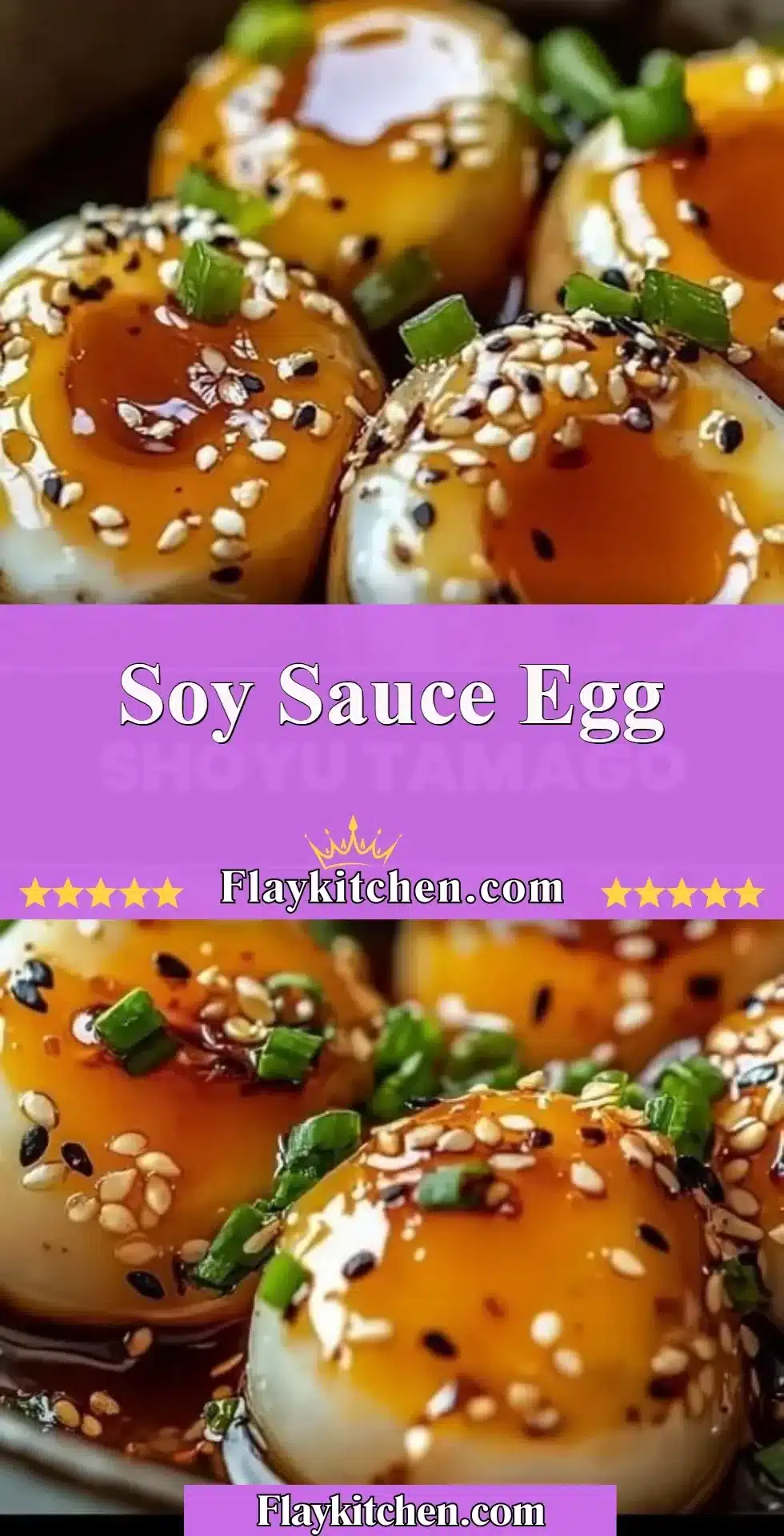
It was one of those crisp autumn mornings when the leaves danced in vibrant shades of orange and gold, the kind of day that always nudges the soul to reminisce. I remember standing in my grandmother’s kitchen, bathed in the warm glow of sunlight pouring through the window. The comforting scent of soy sauce filled the air, coaxing me back to a simpler time. That day, my grandma introduced me to the delightful world of the Soy Sauce Egg—a dish that still evokes nostalgia and warmth within me. As she expertly lowered the eggs into the bubbling water, she whispered about the secret to getting the perfect, jammy yolk, a skill I was eager to learn. I watched, mesmerized, as she merged elements that seemed so basic yet transformed into something exquisite.
In that moment, I didn’t just embrace a recipe; I adopted a joyful tradition that would become a cherished part of my family’s culinary repertoire. The Soy Sauce Egg became a staple in our home, a lovely addition to everything from breakfast to dinner. Anytime I prepare this dish, I can almost hear my grandmother’s laughter and feel her gently guiding my hands. Every bite of that silken egg, flavored with rich umami, transports me back to that sunny kitchen, reminding me that food is much more than sustenance—it’s a way to share love, connect with each other, and create life’s sweetest memories.
Flavor and Popularity
The Unique Flavor Profile of Soy Sauce Egg
The charm of a Soy Sauce Egg lies in its uncomplicated yet robust flavor profile. When you crack open a perfectly cooked egg, the yolk should yield a luscious golden yellow that has absorbed the savory notes of soy sauce. This dish weaves together rich, salty, and slightly sweet flavors that tantalize the taste buds, creating an umami experience like no other.
The magic really happens when the soy sauce mingles with the eggs’ natural creaminess. The savory soy provides a delightful contrast to the egg’s buttery goodness, making it a beloved choice for many. It’s not just a stand-alone meal; you can rely on it to elevate a range of dishes—from rice bowls to salads, and even in sandwiches. With each bite, you’ll discover layers of flavor that draw you in, leaving you wanting more.
Why This Recipe Is a Family Favorite and Crowd-Pleaser
One of the reasons why Soy Sauce Eggs hold a special place in my heart is their adaptability. They are perfect for virtually any occasion; a family brunch, an impromptu gathering, or even as a midnight snack. They easily impress guests while also being simple enough for the everyday cook. Almost everyone I’ve served them to has instantlyfallen in love with their flavor, and the elegant presentation never fails to spark conversations.
As someone who has always valued the art of sharing joy through cooking, I find immense satisfaction in watching my loved ones savor each heavenly bite. The way a simple egg can captivate friends and family, turning a meal into a memorable experience, is something I cherish. Whether it’s young kids giggling over the gooey yolk or friends raving about their taste, the Soy Sauce Egg brings people together, making it a beloved recipe that lights up our table.
Ingredients and Preparation
Essential Ingredients and Possible Substitutions
To create a flawless Soy Sauce Egg that would make my grandmother proud, you’ll want to gather the following essential ingredients:
- Eggs: Choose large, fresh eggs for the best texture. The freshness will ensure the yolk is rich and flavorful.
- Soy Sauce: Use a good quality soy sauce, as its flavor defines the dish. For a gluten-free option, tamari is a great choice.
- Mirin or Rice Vinegar: The slight sweetness of mirin balances the salty notes and takes the dish to another level. If you don’t have mirin, rice vinegar works just fine, although it will be less sweet.
- Optional seasonings: You can incorporate sesame oil or chili flakes for a touch of additional flavor.
If you need substitutions, no need to worry! For those watching their sodium intake, low-sodium soy sauce offers a fantastic alternative. And while traditional recipes often call for mirin, you can easily create a homemade version by mixing sugar with water to derive that sweetness without a trip to the store.
Step-by-Step Recipe Instructions with Tips
Now that you have gathered your ingredients, let’s dive into the fun part—preparing your very own Soy Sauce Egg! Here’s a simple guide, rich with tips to ensure success:
Start by bringing a pot of water to a gentle boil. Take care to maintain a steady simmer; we’re not trying to create a boiling cauldron!
Once the water is simmering, carefully add the eggs. Use a slotted spoon for this part, as it helps prevent cracking. Simmer the eggs for about 6-7 minutes for a soft-boiled texture, or 9-10 minutes if you prefer firmer yolks.
While the eggs are boiling, prepare an ice bath by filling a bowl with ice and water. As soon as the time is up, transfer the eggs to the ice bath. This stops the cooking process and helps with easy peeling.
After the eggs have cooled for about 5-10 minutes, peel them gently under running water to help slide off the shell.
In a separate bowl, mix the soy sauce and mirin (or rice vinegar). You can also add a dash of sesame oil for an aromatic touch if desired.
Place the peeled eggs in the soy sauce mixture, ensuring they’re fully submerged. Let them marinate for at least 30 minutes, although a few hours or overnight will make the flavors even richer!
Serve your delicious Soy Sauce Eggs on their own, or slice them in half to showcase that gorgeous yolk. They make an excellent addition to everything from ramen to rice bowls and salads.
Cooking Techniques and Tips
How to Cook Soy Sauce Egg Perfectly
Getting the perfect Soy Sauce Egg is about timing and technique. Always remember to keep the temperature steady while boiling. Reducing the heat to a light simmer is crucial; otherwise, the eggs may become tough and lose their creamy texture.
Moreover, the ice bath, while an extra step, is absolutely worth it. It ensures that you not only stop the cooking but also prevents that unsightly green ring from forming around the yolk—a telltale sign of overcooking. Aim for that gorgeous orange yolk, which will spill just a little, lending a creamy and rich touch whether served atop steamed rice or nestled in a bowl of ramen.
Common Mistakes to Avoid
In the journey to culinary mastery, every cook stumbles upon a few hiccups. Here are a couple of common pitfalls to steer clear of:
- Avoid overcooking the eggs. Those extra minutes in boiling water may seem harmless but can lead to rubbery egg whites and unsightly discolored yolks. Stick to your timer and check the eggs at the lower end of the cooking time!
- Don’t rush the marination process. While you can enjoy them after half an hour, letting the eggs soak overnight really enhances their flavor. Overnight marination yields a more sophisticated taste that delights the palate.
Health Benefits and Serving Suggestions
Nutritional Value of Soy Sauce Egg
In addition to being delicious, Soy Sauce Eggs can pack a nutritional punch. Eggs are rich in protein, essential vitamins, and minerals, including B vitamins and selenium. The balanced mix of protein, healthy fats, and nutrients makes them a great dish for breakfast or any meal of the day.
If you choose low-sodium soy sauce, you can enjoy the flavors without added guilt, making this dish an excellent option for a health-conscious diet. Remember, moderation and balance are key!
Best Ways to Serve and Pair This Dish
The ways to serve Soy Sauce Eggs are nearly endless. While they make a perfect stand-alone snack or side dish, here are a few of my favorite serving suggestions:
- With Rice: Serve the soy-soaked eggs over a bowl of warm rice, garnished with sliced green onions and sesame seeds for an authentic touch.
- In Ramen: Add them to your favorite ramen recipe for a delicious protein boost. The marinated eggs will elevate your bowl, nourishing both the body and soul.
- On Toast: For a breakfast twist, slice them and serve on avocado toast, finishing with a sprinkle of chili flakes for a kick of flavor.
- In Salads: Chop them up and toss them in a salad for added texture and taste, creating a delightful umami flavor that pairs beautifully with leafy greens.
FAQ Section
What type of mushrooms are best for Soy Sauce Egg?
While mushrooms don’t play a starring role in the classic Soy Sauce Egg dish, if you’re looking to enhance your meal with sautéed mushrooms, shiitake or button mushrooms work beautifully!
Can I use dried garlic instead of fresh?
Yes, you can use dried garlic as a substitute. However, fresh garlic offers a more vibrant flavor. If you do use dried, be sure to adjust the quantities since dried garlic is more concentrated.
How do I store leftover Soy Sauce Egg?
Leftover Soy Sauce Eggs can be stored in an airtight container in the refrigerator for up to three days. Ensure they are submerged in the soy sauce mixture to retain moisture and flavor.
Can I freeze Soy Sauce Egg?
While it’s possible to freeze Soy Sauce Eggs, it’s not recommended if you want to maintain the optimal texture. The eggs may become rubbery when thawed. It’s best to enjoy them fresh or stored in the fridge instead.
Conclusion
If you’re like me, food goes beyond simple nourishment; it becomes a way to connect, share stories, and enjoy the present moment. Making Soy Sauce Eggs brings back memories of laughter-filled kitchens and family gatherings. There’s something comforting about cracking those eggs, preparing them just right, and soaking them in a blend of flavors that reflect love and home. So, gather your ingredients and treat yourself to this timeless recipe that I treasure. Trust me, you’ll want to make this again and again. Thank you for letting me share this joy with you!
Print
Soy Sauce Egg
- Total Time: 45 minutes
- Yield: 4 servings 1x
- Diet: Gluten-Free
Description
A nostalgic and flavorful Soy Sauce Egg that blends rich umami with the perfect jammy yolk, making it a beloved addition to any meal.
Ingredients
- 4 large eggs
- 1/4 cup soy sauce
- 2 tablespoons mirin or rice vinegar
- Optional: 1 teaspoon sesame oil
- Ice for ice bath
Instructions
- Bring a pot of water to a gentle boil.
- Carefully add the eggs and simmer for 6-7 minutes for soft-boiled or 9-10 minutes for firmer yolks.
- Prepare an ice bath by filling a bowl with ice and water.
- Transfer the eggs to the ice bath for 5-10 minutes.
- Peel the eggs gently under running water.
- Mix soy sauce and mirin (or rice vinegar) in a bowl, adding sesame oil if desired.
- Submerge the peeled eggs in the soy sauce mixture and let them marinate for at least 30 minutes.
- Serve as is or slice them in half to showcase the yolk.
Notes
Letting the eggs marinate overnight enhances the flavor even more. Use low-sodium soy sauce for a healthier option.
- Prep Time: 10 minutes
- Cook Time: 15 minutes
- Category: Side Dish
- Method: Boiling
- Cuisine: Japanese
Nutrition
- Serving Size: 1 egg
- Calories: 70
- Sugar: 1g
- Sodium: 400mg
- Fat: 5g
- Saturated Fat: 1g
- Unsaturated Fat: 4g
- Trans Fat: 0g
- Carbohydrates: 1g
- Fiber: 0g
- Protein: 7g
- Cholesterol: 210mg
Keywords: soy sauce egg, marinated egg, Japanese recipe, umami flavor, breakfast