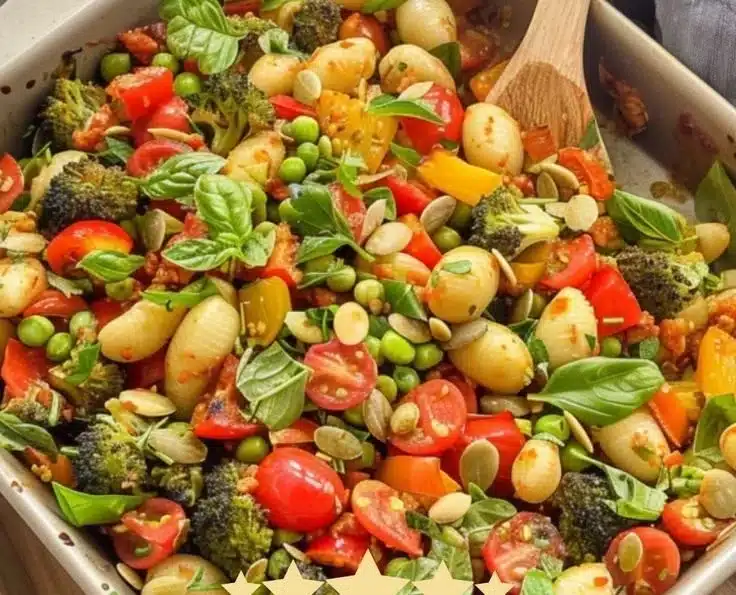

There’s something truly special about the first time you prepare a dish that speaks to your soul. I remember the day I stumbled upon Vegetable Miso Stew. It was a chilly afternoon in Asheville, and the clouds cast a gray blanket over the mountains. I had just returned from a bustling farmer’s market, my bag brimming with vivid, fresh vegetables that practically sang with color. As I laid them out on my kitchen counter, the memories of my grandmother whisked through me. She would often tell stories of the healing powers of simmering pots of stew on the stove—the way aromas would weave through the house, beckoning everyone to gather around the table.
As I opened a packet of miso, that aged soy bean paste, I remembered how its savory depth could transform simple ingredients into a harmonious ensemble of flavors. The warm, earthy scent enveloped me, and I felt a connection to my roots—just like my grandmother’s garlic mushrooms, the stew promised rich comfort and joy. As I chopped vegetables, I felt the warmth of tradition guiding my hands, and I couldn’t wait to share this feast with my family.
Cooking Vegetable Miso Stew became an act of love, a way to cultivate connection with those I hold dear. Each ingredient, carefully chosen, contributed to a pot of goodness that not only nourished our bodies but also wrapped us in the embrace of warmth and community.
Flavor and Popularity
The Unique Flavor Profile of Vegetable Miso Stew
One of the most enchanting aspects of Vegetable Miso Stew is its unique flavor profile. This dish brings together the earthiness of fresh vegetables, the umami richness of miso, and the warmth of spices into a delightful chorus of taste. The combination of miso paste—whether it’s the lighter, sweet white miso or the robust dark type—adds layers of complexity that tickle your taste buds.
Imagine spooning through a bowl and revealing vibrant carrots, tender mushrooms, and leafy greens, each spoonful bursting with that deep, savory flavor. The miso, working alongside sautéed onions and garlic, forms a deliciously rich base that allows the natural sweetness of the vegetables to shine through. Together, this medley creates a deeply satisfying experience that warms you from the inside out.
Why This Recipe Is a Family Favorite and Crowd-Pleaser
What’s not to love? Whether you’re serving your family on a busy weeknight or entertaining friends, Vegetable Miso Stew has a way of bringing everyone together. It’s a comforting and hearty dish that encourages everyone to slow down, enjoy each other’s company, and savor the moment.
This stew is more than just a meal; it’s a canvas for creativity. You can easily customize the ingredients based on what you have on hand or what’s in season. Got some leftover sweet potatoes? Toss them in! A handful of fresh herbs or a splash of sesame oil can elevate the dish even further. It’s this adaptability that makes it a true family favorite—a dish that feels like home, no matter where you are.
Ingredients and Preparation
Essential Ingredients and Possible Substitutions
To prepare a delightful Vegetable Miso Stew, you’ll need a selection of essential ingredients that meld together beautifully. Here’s what you’ll want to gather:
- Miso Paste: This is the heart of your stew. White miso offers sweetness, while red miso brings a deeper flavor.
- Vegetables: A colorful mix, such as carrots, daikon radish, bell peppers, and kale or spinach, will add both flavor and nutritional value.
- Mushrooms: Shiitake or cremini mushrooms work wonderfully, bringing an earthy taste.
- Broth: Vegetable broth forms the base, adding extra depth. Homemade is best, but store-bought works fine.
- Aromatics: Onions, garlic, and ginger create a fragrant foundation for your stew.
- Tofu (optional): For added protein and creaminess. Firm tofu holds its shape well.
- Sesame Oil: A drizzle at the end can enhance that nutty flavor profile.
Don’t worry if you need to make some substitutions! If you’re out of miso, consider tahini for a different twist, or if you want to keep it plant-based, customize the protein with chickpeas or lentils. For vegetables, feel free to be creative—winter squash, zucchini, and snap peas all work marvelously too.
Step-by-Step Recipe Instructions with Tips
Here’s how to bring your Vegetable Miso Stew to life:
Begin by gathering all your vegetables and chopping them into bite-sized pieces. The more colorful, the better!
Heat a large pot over medium heat and drizzle in some olive oil. Add finely chopped onions and sauté until they turn golden and fragrant—about 4 to 5 minutes.
Toss in minced garlic and fresh ginger. The aroma will be captivating! Sauté for another minute, mixing the flavors beautifully.
Add your chopped vegetables, stirring them into the aromatic base. Let them sauté for about 5-7 minutes until they begin to soften.
Pour in your vegetable broth, ensuring it fully covers the veggies. Bring it to a gentle boil, and then lower the heat to simmer.
Meanwhile, in a small bowl, whisk together a few tablespoons of miso paste with a ladle of hot broth from the pot. This keeps the miso smooth and prevents clumping. Once mixed, return it to the pot.
Let your stew simmer for about 20 minutes, allowing the flavors to meld. If you’re adding tofu, now’s the time to fold it into the mix gently.
Finally, add leafy greens and a dash of sesame oil. These fragile ingredients only need a few minutes; they’ll wilt beautifully, adding vibrant color.
Taste and adjust seasoning as needed. A sprinkle of salt, a twist of pepper, or a squeeze of lime at the end can elevate the flavors even further.
Serve hot, garnished with green onions or sesame seeds for that finishing touch. Enjoy with rice or on its own; it’s bound to be a hit!
Cooking Techniques and Tips
How to Cook Vegetable Miso Stew Perfectly
Cooking is an art, and Vegetable Miso Stew is no exception. Here are a few techniques to ensure your stew turns out perfectly:
Sautéing Aromatics: Always take the time to sauté your onions, garlic, and ginger. This step develops your base flavors and provides the signature aroma.
Miso Timing: Miso is best added towards the end of cooking. If cooked too long, it can become bitter.
Texture Variety: To keep your stew interesting, experiment with various textures—they add depth, from crisp bell peppers to melt-in-your-mouth mushrooms.
Taste Test: Don’t hesitate to taste along the way! Add a little more miso, a pinch of salt, or a hint of spice as you see fit.
Common Mistakes to Avoid
Even the most seasoned cooks can run into a mishap now and then. Here are some common pitfalls to avoid with Vegetable Miso Stew:
Cooking Miso Too Long: Overcooking miso can lead to an unappetizing bitterness. Remember to add it towards the end.
Ignoring Seasoning: Don’t forget to layer flavors! Adding salt and pepper at various stages enhances the overall taste.
Forgetfulness with Vegetables: Not every vegetable cooks at the same pace. Always put heartier veggies in first, and add quick-cooking greens later.
Health Benefits and Serving Suggestions
Nutritional Value of Vegetable Miso Stew
One of the beautiful aspects of Vegetable Miso Stew is its nutritional bounty. It’s packed with:
Vitamins and Minerals: The assorted vegetables are rich in vitamins A, C, and K, boosting immunity and supporting overall health.
Probiotics: Miso is fermented, providing beneficial bacteria for gut health, promoting a happy tummy.
Plant-Based Protein: Tofu or chickpeas add protein power, making this dish filling and satisfying without meat.
Hydration: With its broth base, this stew is also a great hydration source, especially during those colder months when staying hydrated is vital.
Best Ways to Serve and Pair This Dish
Vegetable Miso Stew is incredibly versatile when it comes to serving. Here are some delightful pairing suggestions:
Rice or Quinoa: Serve it over a bed of fluffy rice or cooked quinoa to absorb all the delicious flavors.
Crusty Bread: A warm, crusty loaf is perfect for scooping and soaking up every last drop of your stew.
Salads: Pair it with a light, refreshing salad tossed in a tangy vinaigrette to create a balanced meal.
Drinks: Serve alongside herbal teas or light wines; the earthy flavors of the stew complement them beautifully.
FAQ Section
What type of mushrooms are best for Vegetable Miso Stew?
Shiitake and cremini mushrooms are excellent choices for Vegetable Miso Stew. They add a rich, umami flavor that complements miso nicely. Feel free to mix in other varieties, too—each brings its own unique taste.
Can I use dried garlic instead of fresh?
Absolutely! If you don’t have fresh garlic on hand, dried garlic can work in a pinch. Just be mindful that dried garlic is more concentrated in flavor, so use about a quarter of what you’d typically use of fresh.
How do I store leftover Vegetable Miso Stew?
Once cooled, store any leftover Vegetable Miso Stew in an airtight container in the refrigerator. It should keep well for about 3-4 days. Reheat gently on the stove to enjoy it again.
Can I freeze Vegetable Miso Stew?
Yes, you can freeze Vegetable Miso Stew! Make sure it’s completely cooled before transferring it into freezer-safe containers. It can last in the freezer for up to three months. Just thaw and reheat it when you’re ready for a warm, healthy meal.
As I reflect on my journey with Vegetable Miso Stew, I invite you to try this recipe and create your own memories. If you’re like me, you understand how food can be a canvas for love, joy, and connection. There’s something comforting about cooking a dish that wraps you and your loved ones in warmth. Trust me, you’ll want to make this again and again. It’s easy, nourishing, and just what you need to lift your spirits. So don your apron, grab those fresh veggies, and let’s create a pot of goodness together!
Print
Vegetable Miso Stew
- Total Time: 45 minutes
- Yield: 4 servings 1x
- Diet: Vegetarian
Description
A comforting and nutritious Vegetable Miso Stew that brings together fresh vegetables and the rich umami flavor of miso, perfect for sharing with family and friends.
Ingredients
- 2 tablespoons miso paste
- 2 cups chopped mixed vegetables (carrots, daikon radish, bell peppers, kale or spinach)
- 1 cup shiitake or cremini mushrooms, sliced
- 4 cups vegetable broth
- 1 onion, finely chopped
- 2 cloves garlic, minced
- 1 inch ginger, minced
- 1 cup firm tofu, cubed (optional)
- 1 tablespoon sesame oil
- Olive oil for sautéing
- Salt and pepper to taste
- Green onions or sesame seeds for garnish
Instructions
- Gather and chop all vegetables into bite-sized pieces.
- Heat a large pot over medium heat and drizzle in olive oil. Sauté finely chopped onions until golden and fragrant, about 4-5 minutes.
- Add minced garlic and ginger, sauté for another minute.
- Stir in chopped vegetables and sauté for about 5-7 minutes until softened.
- Pour in vegetable broth and bring to a gentle boil, then reduce heat to simmer.
- In a small bowl, whisk miso paste with a ladle of hot broth. Add back to the pot.
- Let stew simmer for about 20 minutes, adding tofu if using.
- Add leafy greens and sesame oil, cooking for a few more minutes until wilted.
- Taste and adjust seasoning as needed, then serve hot garnished with green onions or sesame seeds.
Notes
Feel free to customize the vegetables based on what you have available. This stew is versatile and can accommodate various ingredients.
- Prep Time: 15 minutes
- Cook Time: 30 minutes
- Category: Main Course
- Method: Simmering
- Cuisine: Asian
Nutrition
- Serving Size: 1 serving
- Calories: 280
- Sugar: 6g
- Sodium: 800mg
- Fat: 12g
- Saturated Fat: 2g
- Unsaturated Fat: 8g
- Trans Fat: 0g
- Carbohydrates: 35g
- Fiber: 6g
- Protein: 15g
- Cholesterol: 0mg
Keywords: vegetable stew, miso, healthy recipe, vegan, comfort food