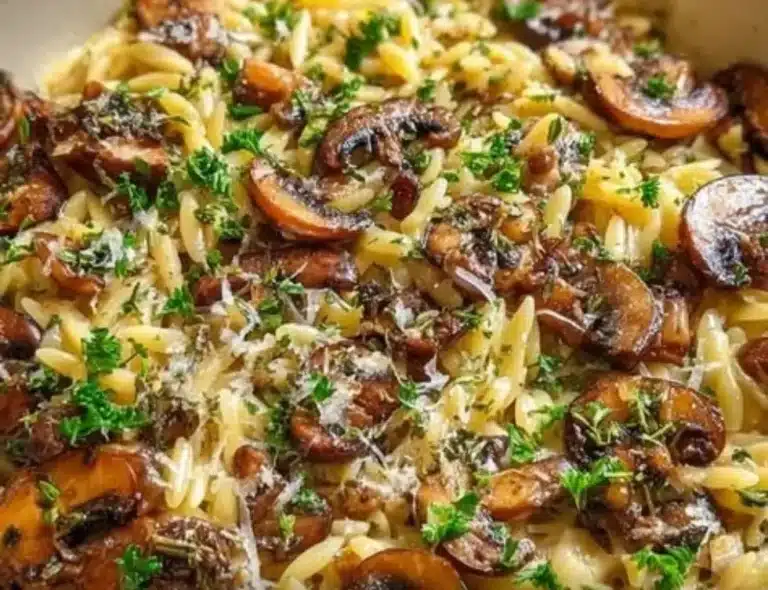

There’s a special moment I remember, one that brings a warm smile to my face every time I think of those delightful Korean Beef Bulgogi Bowls. It was a cool autumn evening when my dear friend Soo invited me over for dinner. I walked through her front door, greeted by the incredible aroma that danced through her kitchen—a mix of savory marinated beef, vibrant vegetables, and that unmistakable hint of spices. Instantly, I felt at home.
As she carefully plated up the bulgogi, I noticed the glossy sheen of the marinated beef—a slice of red meat transformed into something truly special. "This is bulgogi," she said, her face lighting up with pride. It was one of those dishes that not only fills the belly but also warms the heart. There’s a magic in the sweet and savory flavors, the tender bits of beef that practically melt in your mouth, and the way it comes together with the fresh toppings like scallions and sesame seeds.
From that moment on, bulgogi became a staple in my kitchen, and I often find myself reminiscing about our cozy evening together. Each time I prepare Korean Beef Bulgogi Bowls for my family, I think of Soo and how food has this beautiful ability to connect us, to share stories, and to spread joy. If you’ve never tried making your own, I must say, you’re in for a treat!
Flavor and Popularity
The Unique Flavor Profile of Korean Beef Bulgogi Bowls
Korean Beef Bulgogi Bowls are a stunning showcase of flavors that meld beautifully together. Imagine tender strips of marinated beef, expertly grilled or seared until they have a rich caramelization that enhances their natural umami flavor. This dish stands out due to its unique combination of sweet and savory notes, mainly from the precious balsamic soy sauce mingling with brown sugar, garlic, and sesame oil. When served over a bed of fluffy rice and topped with colorful veggies, every bite delivers a burst of flavor that dances on the palate.
To balance that sweetness, we add a hint of tang with fresh lime juice, while fragrant aromatics like garlic and ginger round out the complexity of the dish. The crunch of fresh vegetables, such as carrots and cucumbers, adds a satisfying contrast, making every spoonful a joy. This incredible mix has made Korean Beef Bulgogi Bowls not just a family favorite but also a hit for gatherings or potlucks with friends.
Why This Recipe Is a Family Favorite and Crowd-Pleaser
There’s something undeniably appealing about Korean Beef Bulgogi Bowls that makes it perfect for family dinners and gatherings. You can easily customize the ingredients to suit your family’s tastes while still maintaining that authentic flavor that everyone loves. It’s also a forgiving dish—perfect for those busy weeknights when you want something nutritious and satisfying without spending hours in the kitchen.
The process of making bulgogi is simple yet rewarding. As you marinate the beef, the kitchen fills with tantalizing aromas that build anticipation in your home. The vibrant colors of the vegetables make it visually appealing, captivating both young and old alike. Every time I’ve served Korean Beef Bulgogi Bowls, I’ve watched as plates are filled and the sound of forks clinking against bowls brings a collective sense of joy. No one ever leaves the table hungry!
Ingredients and Preparation
Essential Ingredients and Possible Substitutions
To create the perfect Korean Beef Bulgogi Bowls, you’ll need to gather some essential ingredients that capture the spirit of this dish. Here’s what you’ll want in your pantry:
Beef: For bulgogi, thinly sliced ribeye or sirloin works best. The marbling ensures tenderness and flavor. If you’d like a leaner option, flank steak is a great substitute.
Marinade: This is where the magic happens! You’ll need soy sauce for that salty depth, brown sugar for sweetness, sesame oil for nutty richness, garlic, and ginger for a fragrant kick.
Vegetables: Think colorful and crunchy! Carrots and cucumbers are classic, but feel free to add bell peppers, radishes, or even sweet corn.
Rice: Short-grain white rice is the traditional choice, offering a sticky texture that perfectly complements the bulgogi. Brown rice or cauliflower rice are excellent alternatives if you want a healthier option.
Garnishes: Green onions and toasted sesame seeds round off your dish beautifully. If you’re feeling adventurous, add some kimchi for an extra zing!
If you need to make substitutions, don’t worry! You can easily swap the beef for chicken or tofu for a satisfying vegetarian version. For those who don’t have specific ingredients on hand, improvisation is always encouraged—after all, cooking should be fun!
Step-by-Step Recipe Instructions with Tips
Marinate the Beef:
- In a mixing bowl, combine ¼ cup soy sauce, 2 tablespoons brown sugar, 1 tablespoon sesame oil, 3 cloves of minced garlic, and a teaspoon of grated ginger.
- Add the thinly sliced beef and ensure it’s well coated. Allow it to marinate for at least 30 minutes, or better yet, up to three hours for enhanced flavor.
Prepare Rice:
- Cook your rice according to package instructions. If using a rice cooker, it’ll take the guesswork out. Once done, fluff with a fork and keep warm.
Sauté the Beef:
- In a hot skillet or grill pan, add a drizzle of oil. Once heated, add the marinated beef in a single layer, cooking for about 2-3 minutes on each side until caramelized and tender. Don’t overcrowd the pan—work in batches if needed!
Prep the Vegetables:
- While the beef cooks, julienne the carrots and slice the cucumbers. If you’re using other veggies, prepare them as desired.
Assemble the Bowls:
- Serve a generous scoop of rice in each bowl, then top it with the delicious bulgogi, a sprinkle of fresh vegetables, sliced green onions, and toasted sesame seeds.
Serve and Enjoy:
- Offer lime wedges on the side for everyone to squeeze over their bowls, adding a delightful zesty touch that elevates the entire meal.
Cooking Techniques and Tips
How to Cook Korean Beef Bulgogi Bowls Perfectly
Slice the Beef Thinly: For the best results, place the beef in the freezer for about 30 minutes before slicing. This firms it up, making it easier to get those thin, even slices.
Don’t Rush the Marination: Letting the beef marinate longer allows those flavors to develop beautifully, so if you have time, aim for a few hours.
High Heat is Key: Cooking the beef quickly over high heat creates that lovely sear that enhances the bulgogi’s flavor.
Common Mistakes to Avoid
Overcrowding the Pan: When you add too much beef at once, it steams instead of sears. Cook in small batches to ensure the best caramelization.
Skipping the Marinating Step: While you can cook bulgogi right away, the flavors won’t be as rich. Don’t skip this crucial step!
Health Benefits and Serving Suggestions
Nutritional Value of Korean Beef Bulgogi Bowls
Korean Beef Bulgogi Bowls are not only delicious but also packed with nutrition. Lean cuts of beef provide essential protein and iron, while a variety of veggies enrich the meal with vitamins and minerals. The added garlic and ginger not only enhance flavor but also offer antioxidant and anti-inflammatory properties. If you opt for brown rice or swap in cauliflower rice, you’ll gain even more fiber and nutrients, making this dish wholesome.
Best Ways to Serve and Pair This Dish
These bowls shine on their own but can be paired beautifully with various sides. A refreshing cucumber salad or simple steamed broccoli complement the rich flavors of bulgogi perfectly. You might also consider serving kimchi or pickled vegetables on the side—they add a wonderful tangy zing that balances out the dish.
For a fun twist, turn your Korean Beef Bulgogi Bowls into a DIY meal station. Set out bowls of toppings like sesame seeds, avocado slices, or even gochujang for those who like a spicy kick. Allow everyone to customize their bowl just the way they like it!
FAQ Section
What type of mushrooms are best for Korean Beef Bulgogi Bowls?
For Korean Beef Bulgogi Bowls, shiitake mushrooms are an excellent choice due to their earthy flavor and meaty texture. If you can’t find shiitake, button mushrooms or even cremini work just as beautifully.
Can I use dried garlic instead of fresh?
While you can use dried garlic in a pinch, I highly recommend going for fresh garlic. It brings a bright, robust flavor that truly enhances the marinades and overall dish.
How do I store leftover Korean Beef Bulgogi Bowls?
Store any leftover bulgogi and vegetables in an airtight container in the refrigerator. They’ll keep well for about 3 days. Reheat gently on low heat to avoid overcooking the beef.
Can I freeze Korean Beef Bulgogi Bowls?
Absolutely! You can freeze the cooked beef for up to 3 months. Just make sure to let it cool before transferring to a freezer-safe container. When you’re ready to eat, simply thaw in the refrigerator overnight and reheat as needed.
Conclusion
If you’re like me, there’s something comforting about a dish that connects you to special moments and memories shared with friends and family. Korean Beef Bulgogi Bowls are a celebration of flavor, a nod to joy, and a beautiful blend of cultures. Trust me, you’ll want to make this again and again. Gather your loved ones around the table, and let’s embrace the warmth that food brings into our lives!
Print
Korean Beef Bulgogi Bowls
- Total Time: 40 minutes
- Yield: 4 servings 1x
- Diet: Gluten-Free
Description
Delightful and savory Korean Beef Bulgogi Bowls made with marinated beef, fresh vegetables, and rice, perfect for family dinners.
Ingredients
- 1 lb thinly sliced ribeye or sirloin
- ¼ cup soy sauce
- 2 tablespoons brown sugar
- 1 tablespoon sesame oil
- 3 cloves garlic, minced
- 1 teaspoon grated ginger
- 2 cups short-grain white rice
- 1 cup julienned carrots
- 1 cup sliced cucumbers
- Green onions, for garnish
- Toasted sesame seeds, for garnish
- Lime wedges, for serving
Instructions
- In a mixing bowl, combine soy sauce, brown sugar, sesame oil, garlic, and ginger. Add the beef and marinate for at least 30 minutes.
- Cook rice according to package instructions and keep warm.
- In a skillet, heat oil and sauté marinated beef for 2-3 minutes on each side until caramelized.
- Prepare vegetables by julienning carrots and slicing cucumbers.
- Assemble bowls with a scoop of rice, topped with bulgogi, vegetables, green onions, and sesame seeds.
- Serve with lime wedges to squeeze over the bowls.
Notes
Slice the beef thinly by firming it in the freezer for 30 minutes for easier cutting. Marinate longer for deeper flavor.
- Prep Time: 30 minutes
- Cook Time: 10 minutes
- Category: Main Course
- Method: Grilling
- Cuisine: Korean
Nutrition
- Serving Size: 1 bowl
- Calories: 450
- Sugar: 6g
- Sodium: 600mg
- Fat: 15g
- Saturated Fat: 4g
- Unsaturated Fat: 9g
- Trans Fat: 0g
- Carbohydrates: 53g
- Fiber: 3g
- Protein: 25g
- Cholesterol: 50mg
Keywords: Korean, bulgogi, beef, family dinner, easy recipe