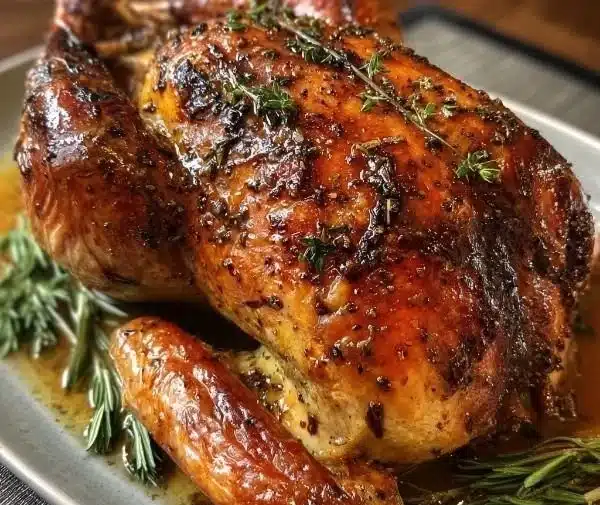
There’s something magical about the smell of roasting turkey wafting through the house, filling every corner with an inviting warmth. I still remember the first time I prepared a Roasted Butterball Turkey Breast for my family. It was a chilly fall evening, the kind that wrapped around you like a favorite blanket. My kitchen was cluttered with the chaos of cooking essentials—spices, herbs, and fresh vegetables—but somehow it all felt right, like a dance that I knew by heart. With my grandmother’s well-loved recipe in hand, I felt her spirit with me, guiding me through each step.
As I placed the butter-brushed turkey breast into the oven, the anticipation bubbled in the air. The golden brown skin crisped beautifully, while the tender meat promised juicy bites that I knew would make my loved ones smile. It turned out to be a delightful feast, with flavors that danced on our tongues. The turkey was savory yet buttery, a harmonious balance that reminded me why I love to cook for the people I cherish most. That evening, sharing a meal filled with laughter and love, I understood that cooking isn’t just about nourishment; it’s about weaving moments into memories. Since that first Roasted Butterball Turkey Breast, my family has requested it for every gathering—a cherished tradition that fills our hearts as much as our bellies.
Flavor and Popularity
The Unique Flavor Profile of Roasted Butterball Turkey Breast
If you’ve ever tasted a well-prepared turkey breast, you know there’s a rich, buttery flavor that sets it apart. The Roasted Butterball Turkey Breast is no exception. This dish combines the natural sweetness of the meat with a delicate, savory seasoning that makes your taste buds sing. The secret lies in the turkey’s marbling; those little flecks of fat are what give every bite that satisfying, melt-in-your-mouth quality.
But don’t think it’s just the turkey that stands out—complement the dish with a blend of earthy herbs like rosemary, thyme, and sage, and you’ll have a flavor explosion that captivates your family and friends. No wonder this turkey breast has become a go-to choice for festive meals and special occasions!
Why This Recipe Is a Family Favorite and Crowd-Pleaser
Life can be hectic, especially when trying to organize family gatherings, so I always appreciate a recipe that pleases everyone without excessive fuss. The Roasted Butterball Turkey Breast checks all the boxes. It’s straightforward, delicious, and can easily feed a crowd.
Often, I turn to this recipe for Thanksgiving or Christmas. The heavenly aroma of roasting turkey washes over the room, providing a comforting backdrop for our celebrations. Just like my grandmother did, I enjoy piling on the sides—green beans, stuffing, and garlicky mashed potatoes—creating a colorful feast that doesn’t just fill the stomach but brings people together.
Ingredients and Preparation
Essential Ingredients and Possible Substitutions
To make the Roasted Butterball Turkey Breast shine, gather these essential ingredients:
- Butter: Essential for that savory, rich flavor; ensure you have unsalted, so you can control the saltiness.
- Fresh herbs: Rosemary, thyme, and sage bring out wonderful earthy notes. If you’re in a pinch, dried herbs can work as a substitute.
- Garlic: Fresh garlic cloves add depth. Dried garlic can be used, but the flavor will differ.
- Onion: Creates a lovely aromatic base. Leeks or shallots are great alternatives.
- Lemon: A splash of lemon juice brightens the dish and adds a fresh touch.
- Chicken broth: Use low-sodium options to control salt levels; vegetable broth also works well if you want a lighter flavor.
If you’re running low on one of these ingredients or looking to accommodate dietary preferences, don’t worry! Swapping the butter for olive oil can create a lighter version, and feel free to mix different herbs based on what you have on hand.
Step-by-Step Recipe Instructions with Tips
Preparing a Roasted Butterball Turkey Breast isn’t as daunting as it may first appear. Let me share the steps and a few handy tips to help you along the way:
Preheat your oven to 325°F (165°C). A hot oven ensures a deliciously crispy exterior.
Rinse the turkey breast under cold water and pat it dry with paper towels. Drying helps the skin crisp up during roasting.
Rub softened butter all over the turkey breast, including under the skin. This will keep the meat moist and flavorful.
Generously sprinkle the turkey with salt, pepper, and your selection of herbs. Don’t shy away from using your hands to massage the spices in; it truly enhances the flavor.
Inside the cavity (or on the roasting rack), add quartered onions, garlic cloves, and lemon wedges. These aromatics will impart delicious flavor as the turkey cooks.
Place the turkey breast on a roasting pan with a rack. If you don’t have a rack, some chopped vegetables can serve the purpose, elevating the turkey so it cooks evenly.
Insert an instant-read thermometer into the thickest part of the breast, ensuring it doesn’t touch the bone. Roast for about 1.5 to 2 hours or until it reaches an internal temperature of 165°F (75°C).
Baste the turkey every 30 minutes with the pan juices for even more flavor and moisture.
Once cooked, allow the turkey breast to rest for about 15-20 minutes before slicing. This ensures the juices redistribute, providing tender slices full of flavor.
Serve with your favorite sides and enjoy the heartwarming chaos of a family meal!
Cooking Techniques and Tips
How to Cook Roasted Butterball Turkey Breast Perfectly
Cooking a Roasted Butterball Turkey Breast is less about following rules and more about trusting your instincts. Start with good quality ingredients and respect the cooking times. Basting not only enhances the exterior but also ensures that the meat remains beautifully tender.
Using an instant-read thermometer takes the guesswork out of knowing when your turkey is done. Be mindful not to rush the resting period; this is when the magic happens as the turkey relaxes and absorbs all those flavorful juices.
Common Mistakes to Avoid
One common pitfall when cooking turkey breast is overcooking. It’s essential to pay attention to those internal temperatures. You want a perfectly juicy bird, not a dry one. Another mistake is neglecting to allow the turkey to rest after roasting. Skipping this step means losing all those precious juices, and no one wants that!
Additionally, uneven cooking can happen if the turkey isn’t evenly shaped. If you notice that your turkey breast has a thicker section, ensure it gets the attention it needs in terms of basting and monitoring its temperature.
Health Benefits and Serving Suggestions
Nutritional Value of Roasted Butterball Turkey Breast
A Roasted Butterball Turkey Breast isn’t just a delightful choice for your family gatherings; it’s packed with nutritional benefits. Turkey is a great source of lean protein, which is essential for muscle growth and repair. It’s also rich in vitamins and minerals like B12, zinc, and selenium, contributing to overall health.
What’s more, turkey breast contains tryptophan, an amino acid that can promote good sleep and a sense of relaxation—perfect for a hopeful, cozy family gathering!
Best Ways to Serve and Pair This Dish
To get the most out of your Roasted Butterball Turkey Breast, consider pairing it with classic Southern sides. Think buttery mashed potatoes, fluffy cornbread stuffing, or sautéed green beans with garlic. You can’t go wrong on special occasions with cranberry sauce, which adds a sweet-tart contrast to the savory turkey.
Don’t forget to drizzle on some homemade gravy made from the pan drippings; it’s the finishing touch that makes it all come alive!
FAQ Section
What type of mushrooms are best for Roasted Butterball Turkey Breast?
While mushrooms aren’t traditionally part of a roasted turkey breast recipe, sautéed mushrooms can be a delightful side. Use white button or cremini mushrooms for a mild taste that complements the turkey well.
Can I use dried garlic instead of fresh?
Absolutely! While fresh garlic offers a more vibrant flavor, dried garlic can work too. Just remember to reduce the amount since dried garlic is more concentrated.
How do I store leftover Roasted Butterball Turkey Breast?
Make sure to let the leftover turkey cool to room temperature before storing it in an airtight container. Refrigerate it for up to three days. For longer storage, you can freeze it in freezer-safe bags for up to a few months.
Can I freeze Roasted Butterball Turkey Breast?
Yes, you can freeze the turkey breast! Just ensure it’s properly wrapped in foil or freezer-safe bags. Thaw it in the refrigerator when you’re ready to enjoy it again.
Conclusion
If you’re like me, you understand how food creates connections that go beyond just satisfying hunger. The Roasted Butterball Turkey Breast isn’t just a dish; it’s a centerpiece for a gathering filled with laughter, love, and memories. Cooking this turkey will fill your home with warmth and flavor that can’t be beaten. Trust me, you’ll want to make this again and again, not just for its deliciousness but because it’s sure to become a loved tradition in your home too. So embrace your inner chef, invite your family to the table, and enjoy every delightful moment!
Roasted Butterball Turkey Breast
- Total Time: 135 minutes
- Yield: 8 servings 1x
- Diet: Paleo
Description
A savory and buttery roasted turkey breast, perfect for family gatherings and special occasions.
Ingredients
- 1 Butterball turkey breast
- 1/2 cup unsalted butter, softened
- 2 tablespoons fresh rosemary, chopped
- 2 tablespoons fresh thyme, chopped
- 2 tablespoons fresh sage, chopped
- 4 cloves garlic, smashed
- 1 onion, quartered
- 1 lemon, quartered
- 1 cup low-sodium chicken broth
- Salt and pepper to taste
Instructions
- Preheat your oven to 325°F (165°C).
- Rinse the turkey breast under cold water and pat it dry with paper towels.
- Rub softened butter all over the turkey breast, including under the skin.
- Generously sprinkle the turkey with salt, pepper, and your selection of herbs.
- Inside the cavity, add quartered onions, garlic cloves, and lemon wedges.
- Place the turkey breast on a roasting pan with a rack.
- Insert an instant-read thermometer into the thickest part of the breast and roast for about 1.5 to 2 hours until it reaches an internal temperature of 165°F (75°C).
- Baste the turkey every 30 minutes with the pan juices.
- Once cooked, allow the turkey breast to rest for about 15-20 minutes before slicing.
- Serve and enjoy with your favorite sides.
Notes
Avoid overcooking by monitoring the internal temperature closely. Rest the turkey after cooking to let the juices redistribute.
- Prep Time: 15 minutes
- Cook Time: 120 minutes
- Category: Main Course
- Method: Roasting
- Cuisine: American
Nutrition
- Serving Size: 1 serving
- Calories: 350
- Sugar: 1g
- Sodium: 300mg
- Fat: 12g
- Saturated Fat: 4g
- Unsaturated Fat: 6g
- Trans Fat: 0g
- Carbohydrates: 2g
- Fiber: 0g
- Protein: 50g
- Cholesterol: 120mg
Keywords: turkey, roasted turkey breast, Thanksgiving, family recipe, holiday meal