There’s a moment etched in my memory, one I often revisit like a cherished photograph. I remember the first time I made Native Pepperberry Rubbed Ribeye. The kitchen was filled with the warm, inviting scent of spices mingling with that rich aroma of searing meat. It was a chilly evening in Asheville, and I was determined to create something truly special for my family. As I rubbed that fragrant blend of native pepperberries onto my ribeye, I couldn’t help but think of my grandmother, who taught me that cooking was more than just a skill; it was a way to show love.
Each stroke of the rub was like a brush on a canvas, infusing the meat with earthy, herby flavors that promised to transport us to the wild landscapes where these pepperberries thrived. I remember telling my kids how this recipe honored the indigenous ingredients of our country. It felt like connecting threads of heritage while creating an experience that would fill our plates and hearts with comfort. That night, gathered around the table, all of our laughter mixed seamlessly with the sizzle of the steak, and, as we took our first bites, we knew we had stumbled upon something unforgettable.
I can assure you, the combination of native pepperberries and ribeye makes for a meal that pays homage to our Southern roots while inviting exploration. It’s a feast for the senses, one you’ll want to share with your loved ones long after the last bite is savored.
Flavor and Popularity
The Unique Flavor Profile of Native Pepperberry Rubbed Ribeye
When it comes to flavors that unite boldness and subtlety, few can rival the Native Pepperberry Rubbed Ribeye. The native pepperberry is a unique botanical marvel, its taste a delightful blend of earthy and spicy notes, making it an ideal companion for the marbled richness of ribeye. Imagine biting into a perfectly seared steak that has been kissed by the invigorating essence of crushed pepperberries, each bite exploding with flavor while still allowing the buttery tenderness of the beef to shine.
The smokiness inherent to a well-cooked ribeye forms a delightful contrast to the pepperberry’s bright, sharp flavors, creating a dish that dances on the palate with every morsel. This harmony of tastes and textures makes for not just an everyday meal but a dish truly worthy of special occasions, family gatherings, or simply impressing a loved one.
Why This Recipe Is a Family Favorite and Crowd-Pleaser
At the heart of my cooking is a desire to bring joy to my family. Beyond just being delicious, the Native Pepperberry Rubbed Ribeye has a way of sparking conversation and eliciting smiles—a true crowd-pleaser that appeals to the steak lover in each of us. Whenever I prepare this dish, I can already hear the collective "Wow!" from the dinner table.
My kids often reminisce about evenings spent together sharing stories while savoring this dish, so I know its magic runs deeper than the flavor alone. Whether it’s a casual weeknight meal or a festive celebration, the heartwarming combination of flavors, the enticing aroma filling the air, and the vibrant family conversations make it a hallmark in our home. It’s a reminder that the best meals are those shared, and this ribeye does precisely that.
Ingredients and Preparation
Essential Ingredients and Possible Substitutions
To whip up this delightful Native Pepperberry Rubbed Ribeye, gather the following essential ingredients:
- Ribeye steak: Choose a high-quality cut with ample marbling to ensure tenderness and flavor.
- Native pepperberries: These vibrant berries are the star of the show! You can usually find them at specialty spice shops.
- Olive oil: This will help the rub adhere and enhance the overall richness.
- Garlic: Fresh cloves are best, providing robust flavor. You can use about two to three cloves.
- Herbs: Fresh rosemary or thyme will elevate the dish beautifully.
- Salt: A crucial seasoning to balance the flavors.
If you want to get creative or need to make substitutions, here are some ideas:
- If you cannot find native pepperberries, try using freshly cracked black pepper or even Sichuan pepper for a different spin.
- Opt for a filet mignon or New York strip steak if ribeye isn’t available—each cut provides a unique texture.
- Fresh herbs can be swapped for a sprinkle of dried herbs; just remember to adjust the amount down since dried herbs are more concentrated.
- And if you’re running low on garlic, garlic powder can be a convenient alternative.
Step-by-Step Recipe Instructions with Tips
Now that you’re all set with your ingredients, let’s dive into the step-by-step guide on preparing this jaw-dropping Native Pepperberry Rubbed Ribeye.
Prepare the Rub:
Start by finely grinding the native pepperberries. You can do this using a spice grinder or a mortar and pestle. In a small bowl, combine the ground pepperberries with minced garlic, chopped fresh herbs, and a generous pinch of salt. Drizzle in a touch of olive oil until you achieve a paste-like consistency.Season the Steak:
Pat your ribeye dry with paper towels. This is crucial for achieving a proper sear. Make sure your steak is at room temperature before cooking. This allows for even cooking. Rub the pepperberry mixture generously on both sides of the steak, ensuring it adheres well.Preheat Your Pan or Grill:
Whether you choose to use a cast-iron skillet or an outdoor grill, preheat until the surface is smoking hot. This ensures a perfect crust forms outside while keeping the inside tender. If using a skillet, add a drizzle of olive oil once heated.Sear the Steak:
Begin cooking your ribeye for about 4-5 minutes on each side for medium-rare, adjusting the time based on your preferred doneness. Don’t overcrowd the pan; if cooking more than one steak, work in batches. Avoid flipping the steak too often; let it develop a nice cook line before turning it. Use a meat thermometer to check for doneness (135°F for medium-rare).Rest Before Serving:
Once cooked to your liking, remove the steak from the heat and let it rest for at least 5-10 minutes. This allows the juices to redistribute throughout the meat, resulting in a juicy and flavorful eating experience.Slice and Serve:
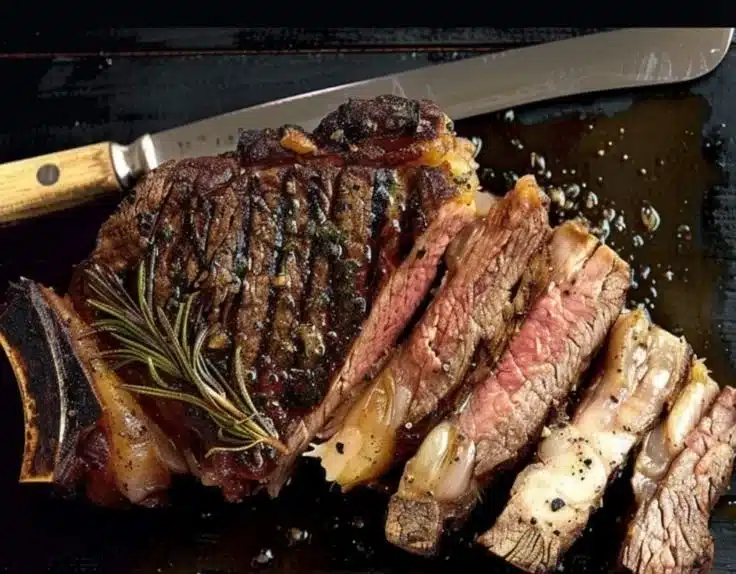
Cut the ribeye against the grain into thick slices, revealing the mouthwatering, pepper-encrusted interior. Plate the slices beautifully to showcase that stunning crust.
Pair your Native Pepperberry Rubbed Ribeye with some roasted garlic mushrooms or a fresh side salad for the perfect meal!
Cooking Techniques and Tips
How to Cook Native Pepperberry Rubbed Ribeye Perfectly
Cooking the ideal Native Pepperberry Rubbed Ribeye is attainable through a few key techniques. Always remember to sear your steak on high heat; this caramelizes the sugars and forms that coveted crust while locking in the juices. You can also finish cooking the steak in the oven if it’s particularly thick—simply pop it into a preheated oven set to 400°F after searing for a few minutes to ensure even cooking throughout.
Allowing the steak to rest after cooking is crucial—trust me on this one! It makes a noticeable difference in texture and juiciness. For that exceptional crust, dry the surface of the steak before seasoning; moisture is the enemy of a good sear.
Common Mistakes to Avoid
While preparing the Native Pepperberry Rubbed Ribeye, there are a few pitfalls to sidestep:
- Skipping the Resting Period: This is when all the magic happens. Never skip it if you want juicy, tender results.
- Overseasoning: You want the unique flavor of the pepperberries to shine, so be mindful of how much salt you add. Remember, you can always salt to enhance flavor while cooking or at the table!
- Cooking Cold Steak: Bringing your ribeye to room temperature before cooking is essential for even cooking.
Health Benefits and Serving Suggestions
Nutritional Value of Native Pepperberry Rubbed Ribeye
In addition to being delicious, the Native Pepperberry Rubbed Ribeye boasts some incredible nutritional benefits. Ribeye is rich in high-quality protein, essential for muscle repair and development. It also provides valuable nutrients such as vitamin B12, iron, and zinc, all necessary for maintaining energy levels and promoting overall health.
Pepperberries have potential antioxidant properties that can boost your immunity and have anti-inflammatory effects. Incorporating these unique spices into your meals adds flavor and puts a little pep in your health routine!
Best Ways to Serve and Pair This Dish
When it comes to serving your Native Pepperberry Rubbed Ribeye, let your creativity roam. This ribeye pairs wonderfully with side dishes that complement its robust flavors. Here are a few ideas:
- Garlic Sautéed Mushrooms: Toss them in a hot skillet with butter and garlic for an umami-rich side that harmonizes beautifully with the steak.
- Classic Coleslaw: A refreshing, crunchy salad provides a delightful contrast to the richness of the beef.
- Grilled Asparagus: Drizzle lightly with olive oil and sea salt before grilling. Their earthy flavor pairs wonderfully.
- Herbed Potatoes: Roasted or mashed potatoes with fresh herbs make a comforting accompaniment.
Serve with your favorite red wine to bring a harmonious balance to the meal.
FAQ Section
What type of mushrooms are best for Native Pepperberry Rubbed Ribeye?
For a delightful accompaniment to your ribeye, varieties like cremini or shiitake mushrooms work best. Their earthiness complements the robust flavors of the steak beautifully.
Can I use dried garlic instead of fresh?
Absolutely! If you’re low on fresh garlic, dried garlic can save the day. A teaspoon of garlic powder should suffice, but remember to add it with the rub to prevent burning during cooking.
How do I store leftover Native Pepperberry Rubbed Ribeye?
To store leftovers, let the steak cool to room temperature and place it in an airtight container. It can safely be kept in the refrigerator for up to three days. When reheating, gently warm it in a skillet over low heat to avoid drying it out.
Can I freeze Native Pepperberry Rubbed Ribeye?
Yes! Wrap the cooked ribeye tightly in plastic wrap or wax paper, then place it in an airtight freezer bag. It can be frozen for up to three months. Just remember to thaw it overnight in the fridge before reheating.
Conclusion
If you’re like me, you understand the powerful connection between food and the memories we create around it. The Native Pepperberry Rubbed Ribeye is more than just a recipe; it’s a way to share love and foster connections with the people who matter most. From my kitchen to yours, I encourage you to dive into this delightful culinary adventure. Trust me, once you barbecue or pan-sear this steak with the enchantment of native pepperberries, you’ll find yourself wanting to relive the experience again and again. There’s something comforting about knowing you’re creating a new tradition for your loved ones, one delicious bite at a time.
Print
Native Pepperberry Rubbed Ribeye
- Total Time: 30 minutes
- Yield: 2 servings 1x
- Diet: Omnivore
Description
A delicious ribeye steak infused with earthy and spicy flavors from native pepperberries, perfect for special occasions and family gatherings.
Ingredients
- 1 Ribeye steak
- 2–3 tablespoons Native pepperberries
- 2 tablespoons Olive oil
- 2–3 cloves Garlic, minced
- 1 tablespoon Fresh rosemary or thyme, chopped
- Salt, to taste
Instructions
- Prepare the rub: Grind the native pepperberries and mix with minced garlic, chopped herbs, salt, and olive oil in a bowl.
- Season the steak: Pat the ribeye dry and rub the pepperberry mixture generously on both sides.
- Preheat your pan or grill until smoking hot.
- Sear the steak for 4-5 minutes on each side for medium-rare.
- Rest the steak for 5-10 minutes after cooking.
- Slice the ribeye against the grain into thick pieces, then serve.
Notes
For alternative flavors, use freshly cracked black pepper or other steak cuts if needed. Pair with sides like sautéed mushrooms or coleslaw.
- Prep Time: 15 minutes
- Cook Time: 10 minutes
- Category: Main Course
- Method: Grilling
- Cuisine: Southern
Nutrition
- Serving Size: 1 serving
- Calories: 450
- Sugar: 0g
- Sodium: 350mg
- Fat: 30g
- Saturated Fat: 12g
- Unsaturated Fat: 16g
- Trans Fat: 0g
- Carbohydrates: 2g
- Fiber: 0g
- Protein: 40g
- Cholesterol: 100mg
Keywords: ribeye, steak, native pepperberry, grilling, family recipe