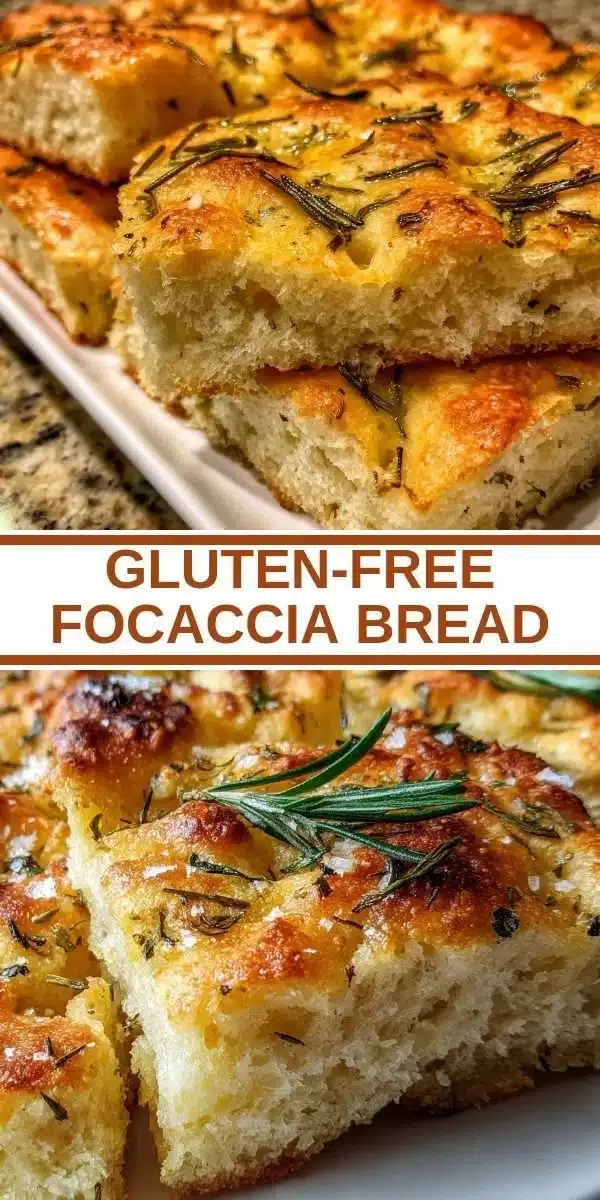
Gluten-Free Focaccia Bread has a special place in my kitchen, and it all started on a rainy afternoon a couple of years ago. I remember watching the clouds roll in, their heavy gray blankets casting a cozy shadow over Asheville. Inspired by the weather, I decided to experiment with a simple yet delightful recipe that had been passed down through generations—not just any recipe, but one for a fragrant, rustic bread. As I mixed the gluten-free flour with warm water and the rich aromas of herbs filled my kitchen, I felt like I was channeling my grandmother’s spirit.
Each knead of the dough transported me back to my childhood; I could nearly hear her laughter as we shaped her beloved garlic mushrooms to sit atop that pillowy bread. When I pulled my Gluten-Free Focaccia Bread from the oven, golden and inviting, I felt a wave of nostalgia crash over me. The crispy crust gave way to a tender interior, and I was reminded of the joy this bread could bring, not just to a meal but to a gathering of cherished friends and family. That first bite was bliss—a perfect mix of savory herb flavors and buttery softness that turned a simple rainy day into a feast for the senses.
The experience has been more than just a cooking adventure; it has connected me with my roots and invited others to the table to share in the comfort of home-cooked goodness.
Flavor and Popularity
The Unique Flavor Profile of Gluten-Free Focaccia Bread
Gluten-Free Focaccia Bread offers a flavor experience that is both comforting and complex. Unlike traditional bread, a gluten-free version often incorporates a blend of different flours like almond, coconut, or even a finely ground oat flour, which brings a nutty depth to the dough. The addition of herbs like rosemary, thyme, or even a sprinkle of za’atar creates an inviting aroma that drifts through your home as it bakes. For those who adore garlic as much as I do, adding cloves roasted to perfection elevates every bite and transforms your focaccia into something extraordinary.
The beauty of this bread lies not only in its flavor but also in its texture. The exterior is crisp, achieving that satisfying crunch upon the very first cut, while the inside remains warm and chewy, almost buttery. As you savor each slice, your palate is greeted with an earthy taste that perfectly balances the herbs’ brightness and the richness of the olive oil drizzled atop before baking. It’s truly a symphony of flavors that invites you to indulge while also keeping it light and comforting.
Why This Recipe Is a Family Favorite and Crowd-Pleaser
At family gatherings, my gluten-free focaccia is a staple, often taking center stage on the dining table. Whenever I serve it, I can see the smiles spreading from one face to the next as they reach for another piece, their hands gliding over its golden surface as if it were a treasure. The texture and flavor not only cater to those adhering to a gluten-free lifestyle but resonate with everyone, creating a shared experience that bridges dietary preferences.
Whether you serve it as an appetizer with a side of marinara for dipping or alongside a robust soup, the bread’s versatility shines through, making it a perfect companion. It pairs beautifully with a spread of sun-dried tomatoes or my favorite, garlic mushrooms, which always seem to find their way onto my focaccia. It’s not just about the taste; this bread carries with it stories of togetherness and the joy of sharing meals with loved ones.
Ingredients and Preparation
Essential Ingredients and Possible Substitutions
To create your own masterpiece of gluten-free focaccia, gather these essential ingredients:
- Gluten-Free Flour Blend: Look for a blend that includes binding agents like xanthan gum or psyllium husk for the best texture. If you prefer, you can mix your own using almond flour, tapioca flour, and brown rice flour.
- Yeast: Active dry yeast is what brings your focaccia to life. Make sure to proof it in warm water to ensure it’s active.
- Warm Water: This is crucial for proofing the yeast and creating a soft dough.
- Olive Oil: A good quality extra virgin olive oil is essential here, as it adds flavor and moisture.
- Herbs: Fresh or dried herbs elevate the bread. Rosemary and thyme are classics, but experimenting with oregano or basil can yield delightful results.
- Salt: Enhances flavors in the dough and toppings.
- Optional Toppings: Consider adding garlic, olives, or even sundried tomatoes before baking for that extra special touch.
Substitutions can easily be made if you have dietary restrictions or simply wish to use what you have on hand. For instance, if you need a nut-free option, you can try using gluten-free all-purpose flour sold in stores. Alternatively, replace olive oil with melted coconut oil for a different flavor profile.
Step-by-Step Recipe Instructions with Tips
Proof the Yeast: In a mixing bowl, combine warm water and yeast. Let it sit for about 5 to 10 minutes, until it becomes frothy.
Prepare the Dough: In a large bowl, mix the gluten-free flour, salt, and any dried herbs you’re using. Gradually add the yeast mixture along with a generous pour of olive oil, and mix until a wet, sticky dough forms.
Let It Rise: Cover the bowl with a kitchen towel and place it in a warm area. Allow your dough to rise for about an hour or until it doubles in size.
Shape the Dough: Once risen, grease a baking sheet or a skillet. Gently spread out the dough, using your fingers to make dimples all over the top – this is where the oil can pool and crisp up beautifully.
Add Toppings: Drizzle additional olive oil on top, then sprinkle with sea salt and coarse black pepper. If desired, add fresh garlic or other toppings.
Final Rise: Allow the dough to rest for another 20–30 minutes before baking. This will deepen the flavors.
Bake: Preheat your oven to 425°F. Bake for approximately 20-25 minutes, until golden brown and fragrant.
Cool and Serve: Once baked, let it cool slightly before slicing. Serve warm and enjoy the compliments!
Cooking Techniques and Tips
How to Cook Gluten-Free Focaccia Bread Perfectly
Cooking gluten-free focaccia bread does require a few tweaks compared to traditional recipes, but the results are well worth it. The key is to create a humid environment in your oven for the dough to rise without drying out. One method is placing a pan of water on the bottom rack during baking, creating steam that encourages a crisp crust while keeping the interior moist.
Make sure your oven is properly preheated, as starting in a hot oven will ensure a beautiful, airy texture. Remember to resist the urge to open the oven door too often, as maintaining the temperature is crucial to achieving a perfect bake.
Common Mistakes to Avoid
One of the biggest mistakes I see home cooks make is not allowing enough rising time for the dough. Skip this step, and you may end up with a dense focaccia instead of a fluffy delight. Additionally, make sure you’re using quality gluten-free flour, as the type and blend can dramatically affect the outcome.
Another pitfall is skimping on olive oil, which is not only essential for flavor but also impacts the bread’s overall texture. Generous use on both the dough and baking surface will help create that coveted crispy crust.
Health Benefits and Serving Suggestions
Nutritional Value of Gluten-Free Focaccia Bread
A slice of homemade Gluten-Free Focaccia Bread can be quite nutrient-dense, especially if you incorporate whole grain gluten-free flours. Rich in healthy fats from olive oil, this bread also provides fiber when using nut flours. Additionally, if you accessorize with toppings like sundried tomatoes, olives, or herbs, you’re adding antioxidants and vitamins that further enhance its nutritional profile.
Best Ways to Serve and Pair This Dish
My favorite way to serve focaccia is simply warm, as an accompaniment to a bowl of rustic soup or as a base for your favorite dips. Try it with a rich marinara sauce for an Italian flare or alongside a hearty pumpkin soup in the fall.
For a more decadent twist, used toasted focaccia slices to create fantastic sandwiches bursting with seasonal veggies and spreads. If you have hearty toppings like roasted garlic or caramelized onions, slice the bread into small squares for an appetizer that’s sure to make your guests swoon.
FAQ Section
What type of mushrooms are best for Gluten-Free Focaccia Bread?
The best mushrooms for adding to your Gluten-Free Focaccia Bread are those that bring umami flavor to the table. Fresh shiitake or cremini mushrooms sautéed in olive oil enhance the dish beautifully. You can also consider adding flavorful wild mushrooms for a unique touch.
Can I use dried garlic instead of fresh?
While fresh garlic undeniably provides a richer flavor, using dried garlic is an acceptable substitute. Just keep in mind that dried garlic is more concentrated, so a smaller quantity will suffice.
How do I store leftover Gluten-Free Focaccia Bread?
To store your leftover focaccia, wrap it tightly in plastic wrap or store it in an airtight container at room temperature for up to two days. For longer-lasting freshness, place it in the refrigerator.
Can I freeze Gluten-Free Focaccia Bread?
Absolutely! Once it’s cooled completely, wrap the focaccia tightly in plastic wrap or aluminum foil, then place it in a freezer-safe bag. It can keep in the freezer for up to three months. Just remember to thaw it at room temperature before reheating.
As this article finds its way to your kitchen, I hope it inspires you to roll up your sleeves and try making your very own Gluten-Free Focaccia Bread. There’s something deeply comforting about working with your hands, blending flavors, and creating something so delicious and filled with love. If you’re like me and cherish those moments with family gathered around the table, you’ll find this bread brings everyone together with open hearts. Trust me, you’ll want to make this again and again, not just for the deliciousness but for the joy it brings into your home.
Print
Gluten-Free Focaccia Bread
- Total Time: 40 minutes
- Yield: 8 servings 1x
- Diet: Gluten-Free
Description
A delicious and comforting gluten-free focaccia bread that brings together family and friends around the table.
Ingredients
- 3 cups gluten-free flour blend
- 1 packet active dry yeast
- 1 1/2 cups warm water
- 1/4 cup extra virgin olive oil
- 1 tsp salt
- 1 tbsp fresh rosemary (or dried)
- 1 tbsp fresh thyme (or dried)
- Optional: garlic, olives, or sundried tomatoes
Instructions
- Proof the yeast: In a mixing bowl, combine warm water and yeast. Let it sit for about 5 to 10 minutes, until frothy.
- Prepare the dough: Mix gluten-free flour, salt, and dried herbs in a large bowl. Gradually add yeast mixture and olive oil, mixing until a wet, sticky dough forms.
- Let it rise: Cover the bowl with a kitchen towel and place it in a warm area. Allow it to rise for about an hour or until doubled in size.
- Shape the dough: Grease a baking sheet or skillet. Spread out the dough, making dimples all over the top.
- Add toppings: Drizzle additional olive oil on top, then sprinkle with sea salt and black pepper. Add fresh garlic or other toppings as desired.
- Final rise: Allow the dough to rest for another 20-30 minutes.
- Bake: Preheat oven to 425°F and bake for 20-25 minutes until golden brown.
- Cool and serve: Let cool slightly before slicing and serve warm.
Notes
To create a humid environment in the oven, place a pan of water on the bottom rack while baking.
- Prep Time: 15 minutes
- Cook Time: 25 minutes
- Category: Bread
- Method: Baking
- Cuisine: Italian
Nutrition
- Serving Size: 1 slice
- Calories: 200
- Sugar: 1g
- Sodium: 300mg
- Fat: 9g
- Saturated Fat: 1g
- Unsaturated Fat: 7g
- Trans Fat: 0g
- Carbohydrates: 30g
- Fiber: 2g
- Protein: 4g
- Cholesterol: 0mg
Keywords: gluten-free focaccia, homemade bread, Italian bread, easy bread recipe, comfort food