
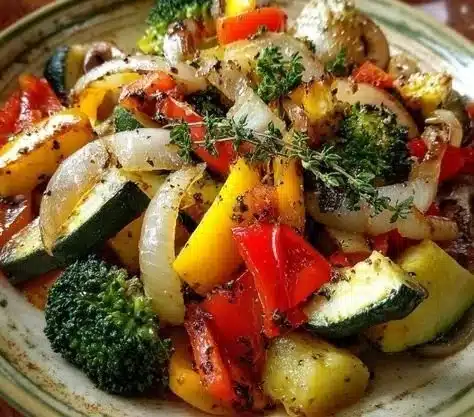
As the sun dipped behind the Appalachian mountains one cool evening, I remember the delightful aroma of Healthy Sautéed Vegetables wafting through my kitchen. It was one of those evenings when I decided to dive into my grandmother’s old collection of recipes, a treasure trove spilling with memories and flavors. With each crinkled page, I could almost hear her whispering the secrets of a good sauté.
I’ll never forget the first time I tossed a colorful medley of bell peppers, zucchini, and mushrooms into a hot skillet, their vibrant hues shimmering like a painter’s palette. The sizzle as they met the olive oil was music to my ears, a joyful prelude that promised something wonderful. I sautéed until they were tender, letting the garlic mingle in, releasing its earthy essence. With a sprinkle of sea salt and a dash of pepper, this simple yet beautiful dish became a celebration of the ingredients—full of color and flavor, each bite bursting with life. What began as a quick dinner turned into a cherished family ritual, bringing everyone to the table and stirring laughter and stories amidst the warmth. There’s just something so comforting and wholesome about Healthy Sautéed Vegetables, don’t you think?
As I share this dish with you, I hope you find as much joy in it as I do, bringing that same warmth to your family gatherings.
Flavor and Popularity
The Unique Flavor Profile of Healthy Sautéed Vegetables
Healthy Sautéed Vegetables are more than just a side dish; they’re a symphony of flavors, each ingredient playing its unique part to create a beautiful composition. Imagine thick slices of mushrooms capturing the essence of garlic, sweet bell peppers balancing their natural sugars with a slight crunch, and vibrant broccoli bringing a fresh bite. Together, they create a dish that’s not only visually appealing but also wonderfully umami-rich.
The beauty of sautéing is in the technique—it allows the vegetables to retain their color and texture while enhancing their flavors. When you sauté, you give each veggie a chance to caramelize slightly, unlocking their natural sugars and creating a savory depth that’s utterly irresistible. Whether it’s the earthy notes of mushrooms or the bright, jarring sweetness of bell peppers, Healthy Sautéed Vegetables will delight your taste buds every time.
Why This Recipe Is a Family Favorite and Crowd-Pleaser
Healthy Sautéed Vegetables have a remarkable way of bridging generations. They appeal to both young palates and seasoned diners, making them the perfect centerpiece for family feasts. I recall one Thanksgiving when I wanted to impress my extended family with a new dish. Instead of just offering the usual green beans, I presented my sautéed medley. It was met with intrigue, and as I served, I could see the skeptics turn into fans, returning for seconds.
This dish is not just tasty; it can hold its ground alongside heavier mains like roasted chicken or grilled salmon, elevating the entire meal. Plus, the health benefits can’t be overlooked. Packed with vitamins, minerals, and fiber, Healthy Sautéed Vegetables support overall wellness while satisfying taste cravings—a win-win for any meal.
Ingredients and Preparation
Essential Ingredients and Possible Substitutions
To prepare Healthy Sautéed Vegetables, gather the following essential ingredients:
- Fresh Vegetables: You’ll want a vibrant combination. Think bell peppers (red, yellow, and green), zucchini, and mushrooms for a delightful texture. Not a fan of these exact veggies? No problem! You can swap them for seasonal favorites like asparagus, snap peas, or carrots.
- Olive Oil: A good-quality extra virgin olive oil adds richness and enhances flavors, but feel free to use coconut oil or avocado oil for a different twist.
- Garlic: Fresh minced garlic is essential for that aromatic flavor. You could use garlic powder in a pinch, but fresh is always best.
- Salt and Pepper: Simple seasonings are key. Use sea salt and freshly cracked black pepper for a well-rounded taste.
- Herbs: Fresh herbs like parsley or thyme bring a burst of freshness. Dried herbs work too—oregano or basil can be a lovely alternative.
Step-by-Step Recipe Instructions with Tips
- Start by washing and chopping your vegetables into bite-sized pieces for even cooking.
- Heat a skillet over medium-high heat and add a couple of tablespoons of olive oil.
- Once the oil is shimmering, add minced garlic and sauté for about 30 seconds until fragrant.
- Toss in hardier vegetables first—like bell peppers and mushrooms—stirrings, and let them cook for about 2–3 minutes.
- Add in softer veggies like zucchini or broccoli, stirring continuously for another 3–4 minutes, until all are vibrant and tender yet crisp.
- Season with salt, pepper, and your choice of herbs, giving it one last good toss.
- Remove from heat and serve immediately for the best flavor.
Cooking Tips: Don’t overcrowd the skillet, or you’ll end up steaming rather than sautéing. If you have more vegetables than the skillet can handle, work in batches.
Cooking Techniques and Tips
How to Cook Healthy Sautéed Vegetables Perfectly
To achieve that perfect texture and flavor, here are some techniques to elevate your sautéing game. Be sure to use a high-quality skillet that conducts heat well—cast iron or stainless steel are excellent choices. Remember to let the oil heat up before adding ingredients. An effective test is adding a small piece of garlic; it should sizzle right away. Use medium to medium-high temperatures for the best results; too low and your vegetables will become mushy, while too high could burn them.
Common Mistakes to Avoid
When sautéing your vegetables, it’s common to make a few missteps. Overcrowding your pan is the top culprit, leading to steam instead of that delicious sear. You should also be careful not to over-season; vegetables naturally have their flavors, and too much salt can overwhelm them. Lastly, don’t forget to taste as you go. This is your masterpiece, and it should reflect your unique flavor preferences!
Health Benefits and Serving Suggestions
Nutritional Value of Healthy Sautéed Vegetables
Healthy Sautéed Vegetables are a powerhouse dish filled with essential nutrients and dietary fiber. Consuming a variety of colorful vegetables can contribute to improved digestion, lower cholesterol levels, and an overall boost in heart health. Each bite brings antioxidants and vitamins that can help ward off diseases while keeping you energized!
For example, bell peppers are rich in Vitamin C, while mushrooms provide a good source of B vitamins and minerals like selenium. Adding leafy greens like kale or spinach takes the nutrient game even higher. This dish shines as a healthy side, but you could easily turn it into a standalone meal by adding proteins like chicken or tofu.
Best Ways to Serve and Pair This Dish
Serving Healthy Sautéed Vegetables is a versatile affair. These veggies shine bright next to grilled meats or fish, adding a burst of color and nutrition. Think about pairing your sauté with quinoa or brown rice for a complete meal or using them as a filling for a wrap, packed with hummus for a hearty lunch.
In my home, we often serve them alongside a classic baked chicken, allowing the juices to marry together, creating even more flavor!
FAQ Section
What type of mushrooms are best for Healthy Sautéed Vegetables?
For Healthy Sautéed Vegetables, I recommend using cremini or shiitake mushrooms for their rich flavor. Button mushrooms work well too. You can even mix them for diverse textures!
Can I use dried garlic instead of fresh?
Yes, you can substitute dried garlic for fresh, but keep in mind that the flavors differ. Use about one teaspoon of garlic powder for every clove of fresh garlic. However, fresh is always preferred for that vibrant flavor!
How do I store leftover Healthy Sautéed Vegetables?
Allow your sautéed veggies to cool completely before transferring them to an airtight container. They can be stored in the refrigerator for up to 3 days. Just reheat gently to avoid overcooking.
Can I freeze Healthy Sautéed Vegetables?
Absolutely! You can freeze Healthy Sautéed Vegetables for longer storage. Place cooled vegetables in a freezer-safe container or bag, and they should last for about 3 months in the freezer. When you’re ready to eat, reheat from frozen or thaw overnight in the fridge.
Conclusion
If you’re like me, you’ll find that Healthy Sautéed Vegetables offer not just nourishment but joy in every bite. Cooking this dish combines the essence of nostalgia with the excitement of family gatherings. There’s something incredibly rewarding about preparing a meal filled with fresh ingredients while creating delightful memories around the table. Trust me, you’ll want to make this again and again—it’s simple, satisfying, and brings everyone together in the warmest way. Enjoy every moment, and happy sautéing!
Print
Healthy Sautéed Vegetables
- Total Time: 25 minutes
- Yield: 4 servings 1x
- Diet: Vegetarian
Description
A vibrant medley of sautéed bell peppers, zucchini, and mushrooms, flavorful with garlic and spices, perfect for family gatherings.
Ingredients
- 1 cup bell peppers (red, yellow, green), chopped
- 1 cup zucchini, chopped
- 1 cup mushrooms, sliced
- 2 tablespoons olive oil
- 3 cloves garlic, minced
- Salt, to taste
- Black pepper, to taste
- Fresh herbs (parsley or thyme), for garnish
Instructions
- Start by washing and chopping your vegetables into bite-sized pieces for even cooking.
- Heat a skillet over medium-high heat and add olive oil.
- Once the oil is shimmering, add minced garlic and sauté for about 30 seconds until fragrant.
- Toss in bell peppers and mushrooms first; let them cook for about 2–3 minutes.
- Add in zucchini, stirring continuously for another 3–4 minutes, until all are vibrant and tender.
- Season with salt, pepper, and herbs, giving it one last good toss.
- Remove from heat and serve immediately for the best flavor.
Notes
Don’t overcrowd the skillet to avoid steaming rather than sautéing. Cook in batches if needed.
- Prep Time: 15 minutes
- Cook Time: 10 minutes
- Category: Side Dish
- Method: Sautéing
- Cuisine: American
Nutrition
- Serving Size: 1 serving
- Calories: 150
- Sugar: 4g
- Sodium: 200mg
- Fat: 7g
- Saturated Fat: 1g
- Unsaturated Fat: 6g
- Trans Fat: 0g
- Carbohydrates: 20g
- Fiber: 4g
- Protein: 3g
- Cholesterol: 0mg
Keywords: sautéed vegetables, healthy recipe, vegetarian dish