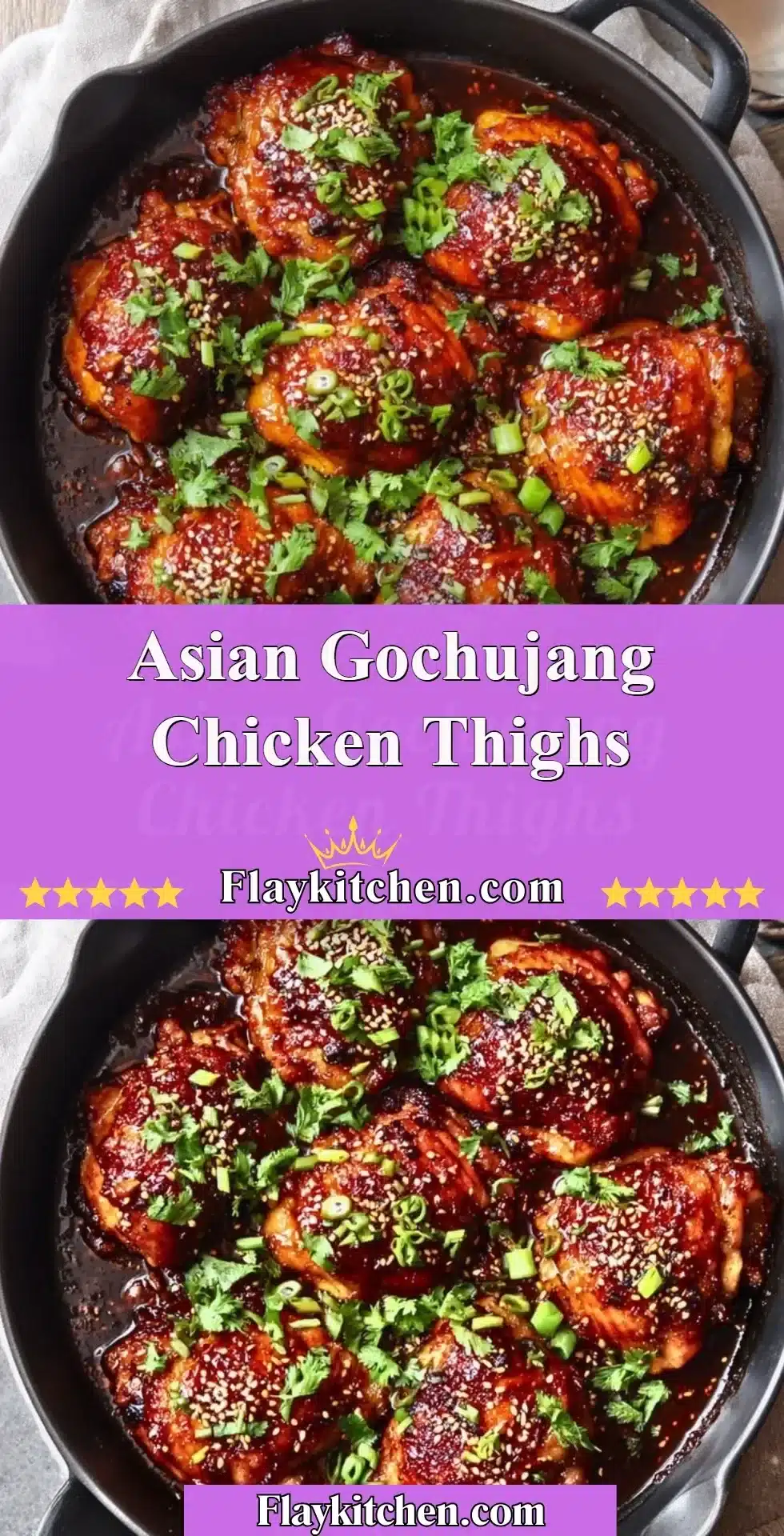
There’s something magical about the moment you discover a new flavor that leaves a lasting impression. For me, it was just a few summers ago, sitting on my porch in Asheville, when I first tasted Asian Gochujang Chicken Thighs at a neighborhood potluck. The sun dipped low in the sky, casting a golden hue over our backyard, while the aromas of grilled meats and vibrant vegetables danced around. I remember taking my first bite—the tenderness of the chicken paired with that sweet, spicy, and umami-rich sauce wrapped around my senses like a warm embrace. Gochujang, with its fermented depth, felt like a world of flavor unfolding right there at the table.
As I savored each mouthful, I couldn’t help but think about how this sauce, traditionally found in Korean cuisine, could elevate my family meals. It had everything I adored: a hint of sweetness, a kick of heat, and a complexity that was almost earthy. That evening, while surrounded by laughter and stories, I made a promise to return to my kitchen and try my hand at these bright, bold Asian Gochujang Chicken Thighs. For me, cooking is about sharing joy and experiences—and this recipe has quickly become one of my family’s favorites, a dish I know will bring us all together, just like that lovely summer night.
Flavor and Popularity
The Unique Flavor Profile of Asian Gochujang Chicken Thighs
When it comes to creating unforgettable meals, the magic often lies in the ingredients. Asian Gochujang Chicken Thighs have an exceptionally unique flavor profile that brilliantly combines sweet, spicy, and savory elements. Gochujang, a Korean chili paste made from red chili powder, glutinous rice, fermented soybeans, and salt, infuses the chicken with a rich umami flavor. This crucial ingredient transforms the ordinary into extraordinary, and when paired with tender chicken thighs, it’s nothing short of spectacular.
The balance of flavors is what makes this recipe stand out. The sweetness from brown sugar or honey balances the heat from the gochujang, while the acidic notes from rice vinegar or lime juice provide a fresh contrast. Add in some garlic and sesame oil, and you have a medley that’s delightfully complex yet approachable. Each bite bursts with layers of flavor, making it hard not to go back for seconds—or thirds.
Why This Recipe Is a Family Favorite and Crowd-Pleaser
What defines a recipe as a family favorite? In our household, it’s often something that combines ease with mouthwatering flavors. That’s where Asian Gochujang Chicken Thighs shine brightly. Whether I’m cooking for my family on a busy weeknight or whipping up a special meal for friends, this dish hits the mark every time. It requires minimal prep but delivers maximum satisfaction—a home cook’s dream!
The shop at my local market is filled with spices, but I always come back to gochujang. It’s that special go-to that does the heavy lifting. As I marinate the chicken, I can already envision the smiles at the dinner table and the conversations that will unfold. Cooking together, sharing stories, and enjoying good food—these are the moments that linger in my heart. When I serve up those tender, sticky Asian Gochujang Chicken Thighs, I know they’ll be a hit. It’s a meal that beckons everyone to gather around the table, and trust me, you’ll find your loved ones scraping their plates clean.
Ingredients and Preparation
Essential Ingredients and Possible Substitutions
To prepare these delicious Asian Gochujang Chicken Thighs, you’ll want to gather a few essential ingredients. Here’s what you’ll need:
- Chicken Thighs: I recommend bone-in, skin-on chicken thighs for rich flavor and tenderness, but boneless thighs still work well for faster cooking.
- Gochujang: This Korean chili paste is the star of the show. Its richness and heat add depth and character to the dish.
- Soy Sauce: Adds a savory saltiness that complements the gochujang perfectly.
- Brown Sugar or Honey: This sweetness balances the heat, so don’t skip it!
- Garlic: Fresh minced garlic brings that aromatic depth that makes every dish sing.
- Sesame Oil: Offers a nutty aroma and flavor, infusing warmth into the sauce.
- Rice Vinegar: This adds a bright, acidic touch to balance the richness.
- Green Onions: Freshly chopped green onions add a beautiful garnish and a pop of color.
Now, if you need substitutions, don’t worry! Here are a few ideas for alternatives if you’re missing an ingredient:
- Chicken: If you’re feeling adventurous, you can use drumsticks or even tofu for a delicious vegetarian adaptation.
- Gochujang: While there’s no true substitute, a mix of Sriracha and miso paste can provide a similar spicy depth in a pinch.
- Brown Sugar: Maple syrup can replace brown sugar if you prefer a lighter sweetness.
- Rice Vinegar: Apple cider vinegar works well as a substitute if that’s what you have on hand.
- Sesame Oil: Canola or olive oil can be used, but they won’t provide the same nutty flavor.
Step-by-Step Recipe Instructions with Tips
Now let’s dive into the step-by-step instructions to making these mouthwatering Asian Gochujang Chicken Thighs:
Marinate the Chicken: In a large bowl, combine 1/4 cup of gochujang, 1/4 cup of soy sauce, 2 tablespoons of brown sugar or honey, 2 tablespoons of sesame oil, and 2 minced cloves of garlic. You can adjust the gochujang amount based on your spice tolerance. Mix well until dissolved. Add the chicken thighs and toss to coat them thoroughly. Allow the chicken to marinate for at least 30 minutes—longer if you have time—as the flavors deepen beautifully.
Preheat the Oven: Preheat your oven to 425°F (220°C). This high heat will help get the skin crispy and lock in moisture.
Arrange Chicken on a Baking Sheet: Place the chicken thighs on a lined baking sheet, skin-side up. Make sure to spread them out evenly for even cooking. Pour any leftover marinade over the top for extra flavor.
Bake the Chicken: Bake for 25-30 minutes, or until the chicken reaches an internal temperature of 165°F (74°C) and the skin is crispy and caramelized. You can also broil them for the last 2-3 minutes if you want an extra char—just watch closely to prevent burning.
Rest and Garnish: Once cooked, let the chicken rest for about 5 minutes. This helps keep them juicy. Garnish with sliced green onions and sesame seeds for that final touch of elegance.
Serve: These Asian Gochujang Chicken Thighs are delicious with steamed rice, sautéed vegetables, or wrapped in lettuce leaves for a fresh twist!
Cooking Techniques and Tips
How to Cook Asian Gochujang Chicken Thighs Perfectly
Cooking chicken thighs can sometimes feel daunting, but with this recipe, you’re bound to achieve perfect results. The key is to ensure they’re marinated well—this not only tenderizes the chicken but allows all those luscious flavors to really seep in. Baking at a high temperature results in beautifully crispy skin. And don’t shy away from using a meat thermometer. It’s the best way to ensure juicy, well-cooked chicken every time.
Common Mistakes to Avoid
While cooking should be an enjoyable process, there are common pitfalls to watch out for. One mistake is not allowing enough time for marination. The longer, the better! Another is overcrowding the pan—giving each piece its own space allows for even cooking and that desired crispiness. Finally, don’t rush the resting period after cooking; this step lets the juices redistribute throughout the meat, ensuring you get the most succulent bites when you serve.
Health Benefits and Serving Suggestions
Nutritional Value of Asian Gochujang Chicken Thighs
Asian Gochujang Chicken Thighs are not only comforting and delicious, but they also carry some health benefits. Chicken thighs are a great source of protein and essential vitamins like B6 and niacin, which are important for energy and metabolism. The gochujang offers capsaicin, known for its potential metabolism-boosting properties. By marinating the chicken with fresh garlic, you’re also adding numerous health benefits, including heightened immune support and anti-inflammatory properties.
When paired with a side of colorful vegetables or served over a bowl of cooked quinoa, this dish becomes a complete meal packed with nutrition and flavor.
Best Ways to Serve and Pair This Dish
When it comes to serving, Asian Gochujang Chicken Thighs shine in their versatility. Serve them over fluffy rice—white or brown—for a simple, satisfying meal. A side of sautéed veggies—think broccoli, bell peppers, or snap peas—adds a fresh crunch. If you’re feeling a bit adventurous, wrap the chicken in lettuce leaves for a healthy, low-carb option. This dish also pairs beautifully with a light, refreshing salad, topped with sesame dressing to echo that nutty flavor.
FAQ Section
What type of mushrooms are best for Asian Gochujang Chicken Thighs?
If you’re looking to add a delightful earthy element to your dish, shiitake mushrooms are a fantastic choice. Their rich flavor pairs beautifully with the sauce. You could also try portobello or even oyster mushrooms for a unique twist!
Can I use dried garlic instead of fresh?
While fresh garlic is always preferred for its aromatic flavor, you can use dried garlic in a pinch. Just remember that dried garlic is more concentrated, so use a lesser quantity—about one-quarter of the amount of fresh garlic.
How do I store leftover Asian Gochujang Chicken Thighs?
Store any leftover chicken in an airtight container in the refrigerator for up to three days. This makes for a quick meal later in the week; simply reheat and enjoy!
Can I freeze Asian Gochujang Chicken Thighs?
Absolutely! After cooking, let them cool down to room temperature. Place the chicken in an airtight container or freezer bags and store for up to three months. When you’re ready to enjoy again, simply thaw in the refrigerator and reheat in the oven for the best results.
Conclusion
If you’re like me, you treasure moments when flavors come together in perfect harmony, creating not just meals but memorable experiences. I encourage you to try these Asian Gochujang Chicken Thighs—it’s a dish that invites togetherness and joy into your home. There’s something comforting about knowing you can whip up a meal that your loved ones will rave about long after the plates are cleared. Trust me, you’ll want to make this again and again. Happy cooking!
Print
Asian Gochujang Chicken Thighs
- Total Time: 60 minutes
- Yield: 4 servings 1x
- Diet: Gluten-Free
Description
Tender chicken thighs marinated in a rich, sweet, and spicy gochujang sauce, perfect for family meals and gatherings.
Ingredients
- 4 bone-in, skin-on chicken thighs
- 1/4 cup gochujang
- 1/4 cup soy sauce
- 2 tablespoons brown sugar or honey
- 2 tablespoons sesame oil
- 2 cloves garlic, minced
- 2 tablespoons rice vinegar
- Chopped green onions for garnish
Instructions
- Marinate the Chicken: In a bowl, mix gochujang, soy sauce, brown sugar or honey, sesame oil, and minced garlic. Add chicken thighs, coat, and marinate for at least 30 minutes.
- Preheat the Oven: Set your oven to 425°F (220°C).
- Arrange Chicken on a Baking Sheet: Place marinated chicken on a lined baking sheet, skin-side up, and pour leftover marinade over them.
- Bake the Chicken: Bake for 25-30 minutes until the internal temperature reaches 165°F (74°C) and skin is crispy. Broil for an additional 2-3 minutes if desired.
- Rest and Garnish: Let chicken rest for 5 minutes, then garnish with chopped green onions.
- Serve: Enjoy with rice, sautéed vegetables, or in lettuce wraps.
Notes
For a vegetarian option, substitute chicken with tofu. Allow longer marination for deeper flavor.
- Prep Time: 30 minutes
- Cook Time: 30 minutes
- Category: Main Course
- Method: Baking
- Cuisine: Korean
Nutrition
- Serving Size: 1 serving
- Calories: 400
- Sugar: 8g
- Sodium: 850mg
- Fat: 14g
- Saturated Fat: 4g
- Unsaturated Fat: 8g
- Trans Fat: 0g
- Carbohydrates: 26g
- Fiber: 1g
- Protein: 25g
- Cholesterol: 85mg
Keywords: gochujang chicken, Korean recipe, family meal