The first time I laid eyes on a Beef Tenderloin, I was a bit intimidated. It was one of those golden autumn evenings when the leaves were turning shades of orange and the air was just crisp enough for a light sweater. My grandmother had always spoken about tenderloin with a reverence that turned it into something almost mythical in my eyes. I remember standing beside her in our warm kitchen, the aroma of spices and roasted garlic wafting through the air as she expertly prepped the meat for our Sunday family dinner.
As she stood there, demonstrating how to trim the tenderloin and season it just right, I couldn’t help but be fascinated. “This is where flavor truly begins, Maggie,” she said, her gentle Southern drawl softening every word. We laughed, shared stories, and savored every moment—this piece of meat wasn’t just dinner; it was a bridge to family history and love. The combination of the buttery texture and the robust, earthy flavors captivated me. That night, as we sat down to a meal filled with laughter and stories shared over perfectly seared slices of Beef Tenderloin, I realized that cooking isn’t just about preparing food; it’s about nurturing relationships and celebrating moments. I knew right then I wanted to carry this tradition forward in my own way.
Flavor and Popularity
The Unique Flavor Profile of Beef Tenderloin
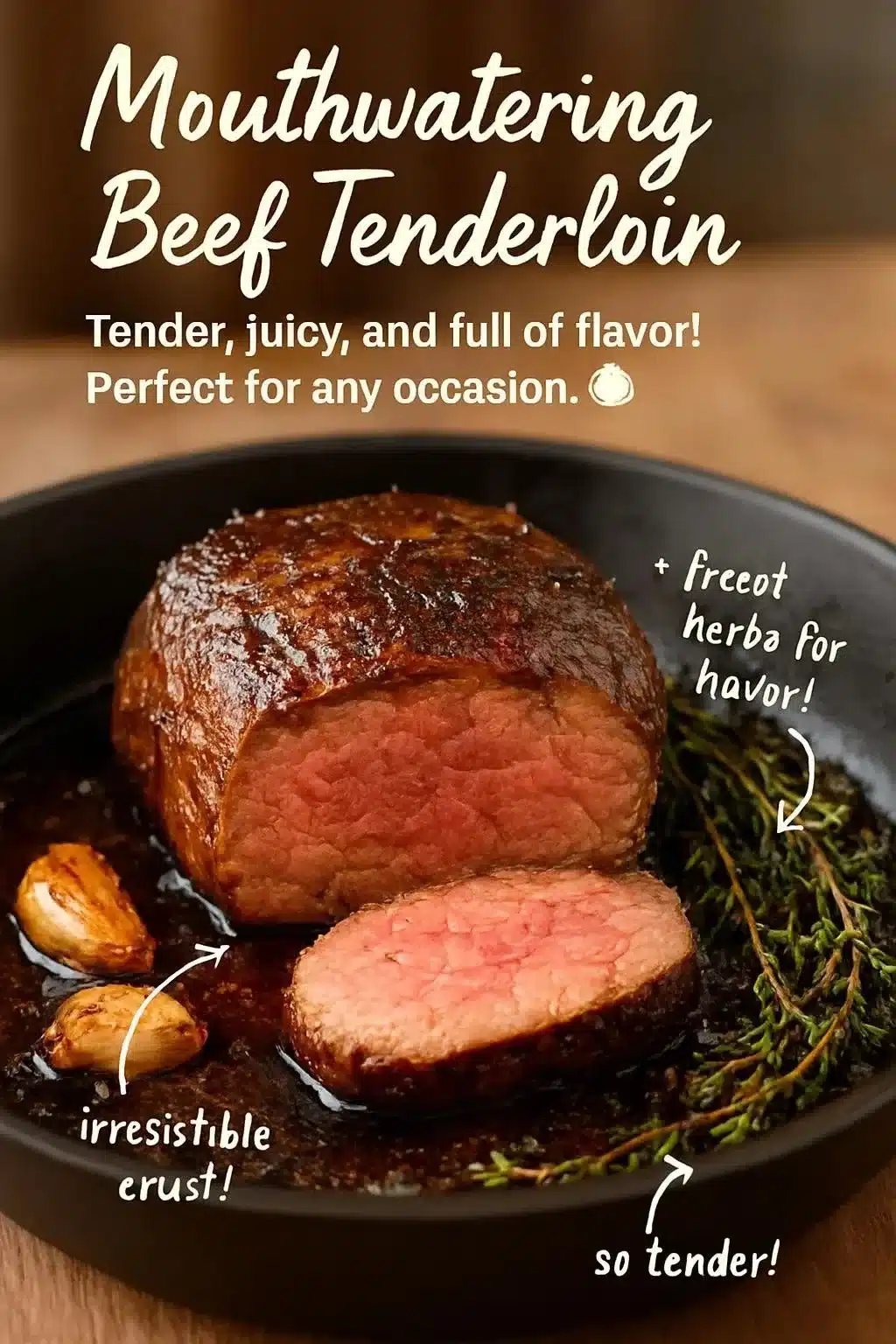
Beef Tenderloin is often dubbed the most luxurious cut of meat, and let me tell you, there’s a very good reason for that! Imagine a flavor so buttery and subtle that it practically melts in your mouth. When perfectly cooked, it has a rich, beefy essence that can elevate any dish. The marbling of fat within the tenderloin is what makes it so tender, providing moisture and flavor that is simply unparalleled.
As you prepare to cook your Beef Tenderloin, it’s essential to embrace that flavor profile. Season it well, use fresh herbs, and don’t shy away from aromatic spices. My grandmother always said that a touch of coarse salt and cracked pepper is all it needs to shine, and I couldn’t agree more. Whether you’re rolling it in herbs de Provence or simply infusing it with garlic and rosemary, Beef Tenderloin is versatile enough to adapt to any palate.
Why This Recipe Is a Family Favorite and Crowd-Pleaser
The beauty of Beef Tenderloin is that it brings people together. Whenever I serve this dish during family gatherings, it ignites conversations and creates cherished memories. It’s not just a meal; it’s an experience that marks special occasions—from birthdays to holidays. The tenderness of the meat paired with delightful accompaniments creates a harmony of flavors that pleases even the pickiest eaters.
What’s more, it’s surprisingly straightforward to prepare! My family often joins me in the kitchen to share the task of marinating and seasoning the meat. The more hands on deck, the more laughter follows. And when that tenderloin emerges from the oven or off the grill, dressed up with sides like garlic mushrooms or creamy mashed potatoes, you can see everyone’s eyes light up—anticipation and love for one another encapsulated in every bite. This isn’t just food; it’s our way of saying we care.
Ingredients and Preparation
Essential Ingredients and Possible Substitutions
To create a truly memorable Beef Tenderloin dish, you’ll want to assemble a few key ingredients. Here’s what you’ll need:
- Beef Tenderloin: Choose a high-quality cut, ideally from your local butcher.
- Olive Oil: For searing; the flavor is subtle but effective.
- Fresh Garlic: Use whole cloves for roasting or minced to mix into marinades.
- Fresh Herbs: Rosemary, thyme, and parsley add wonderful earthiness.
- Coarse Salt and Freshly Cracked Pepper: These enhance and bring out the meat’s natural flavor.
- Butter: Adding butter while cooking imparts richness and a golden crust.
If you need substitutions, don’t worry! You can swap out fresh herbs for dried ones in a pinch, just remember that dried herbs are much more concentrated, so use them sparingly. If you’re avoiding butter, olive oil alone can also impart a lovely flavor, or you might try ghee for a nutty twist. Feeling adventurous? A splash of balsamic vinegar can enliven your marinade with a hint of sweetness.
Step-by-Step Recipe Instructions with Tips
Prep the Tenderloin: Start by trimming any excess fat from the Beef Tenderloin. It’s important for a clean presentation and helps the meat cook evenly.
Marinate: In a small bowl, mix together olive oil, minced garlic, chopped herbs, salt, and pepper. Rub this mixture over the tenderloin and let it marinate for at least an hour. If you have the time, let it sit in the fridge overnight for even deeper flavor.
Sear: Preheat your skillet over medium-high heat and add a bit of oil. Once hot, carefully sear the tenderloin on all sides for 3-4 minutes until a golden crust forms.
Roasting: Transfer the skillet to a preheated oven set at 425°F (220°C) for about 20-25 minutes, depending on how you like your meat cooked. For medium-rare, look for an internal temperature of 135°F (57°C). Insert a meat thermometer for accuracy!
Resting: After taking it out of the oven, let the Beef Tenderloin rest for about 10-15 minutes. This allows the juices to redistribute throughout the meat, preventing it from drying out.
Serve: Slice it against the grain and serve with your favorite sides. I recommend sautéed garlic mushrooms for that touch of umami that pairs beautifully with the tenderloin.
Cooking Techniques and Tips
How to Cook Beef Tenderloin Perfectly
Let’s talk about perfection. Cooking Beef Tenderloin requires attention and love, but the payoff is absolutely worth it. I learned the importance of a good sear from my grandmother—this not only adds flavor but creates a beautiful texture. The key is to let the skillet or grill get hot! Don’t overcrowd the pan as it will cause the meat to steam rather than sear.
Using a meat thermometer is your best friend. It takes the guesswork out of cooking meats to the ideal doneness. To master the art of cooking tenderloin, practice makes perfect. With each try, you’ll get closer to that perfectly juicy, buttery bite.
Common Mistakes to Avoid
Avoiding common pitfalls will ensure your Beef Tenderloin is a star at the dinner table. One of the biggest mistakes is slicing it too soon. Remember, the resting period is crucial. Another pitfall is over-seasoning; the natural flavors of the meat are what you want to highlight. Lastly, don’t forget to check your oven temperature—accurate baking can make or break the dish!
Health Benefits and Serving Suggestions
Nutritional Value of Beef Tenderloin
You might be surprised to learn that Beef Tenderloin holds some notable health benefits! It’s an excellent source of protein, helping to build and repair tissues, which is essential for a balanced diet. Plus, it contains iron and zinc, vital nutrients that help support your immune system. While it’s indulgent, when paired with healthy sides like steamed vegetables or a fresh salad, it can fit beautifully into a nutritious meal plan.
Best Ways to Serve and Pair This Dish
One of the joys of Beef Tenderloin is its versatility when it comes to sides. I love serving it alongside garlic sautéed mushrooms—they complement each other perfectly, infusing the dish with earthy flavors. Creamy mashed potatoes or a colorful vegetable medley also work wonders to enhance the meal’s visual appeal and taste.
If you want to elevate your serving game, drizzle a luxurious red wine reduction or a chimichurri sauce on top. It adds a pop of color and a burst of flavor that brightens each bite. Don’t forget to accompany your meal with a lovely green salad tossed with a light vinaigrette to balance the richness of the tenderloin.
FAQ Section
What type of mushrooms are best for Beef Tenderloin?
I find that cremini or shiitake mushrooms work wonders with Beef Tenderloin. Their earthy flavors pair beautifully and add depth to the dish. If you’re after a little more texture, consider including some portobello mushrooms as well.
Can I use dried garlic instead of fresh?
While dried garlic can work in a pinch, fresh garlic gives you a much more vibrant flavor. If you’re short on time, consider using garlic powder, but remember to use less, as it is more concentrated.
How do I store leftover Beef Tenderloin?
Cool any leftovers to room temperature and place them in an airtight container in the fridge. Enjoy within three days for the best texture and flavor. Reheat gently in the oven or microwave for a quick meal.
Can I freeze Beef Tenderloin?
Absolutely! Wrap your cooked Beef Tenderloin tightly in plastic wrap and then in foil or a freezer-safe bag. It can last up to three months in the freezer. Just make sure to thaw it overnight in the fridge before reheating.
Conclusion
As I reflect on my journey of learning to cook, I can’t help but feel a warm sense of nostalgia when making Beef Tenderloin. If you’re like me, cooking is about more than just the final dish; it’s about the connections we form and the love we share at the table. Preparing this delightful cut of meat could become your new kitchen ritual—a chance to create lasting memories with family and friends.
There’s something comforting about sharing a slice of perfectly cooked Beef Tenderloin, and I assure you, the smiles that follow as your loved ones dig in will speak volumes. Trust me, you’ll want to make this again and again—it’s not just a meal; it’s a reason to gather around the table and celebrate life. So, roll up your sleeves, embrace the flavors, and take that leap of faith—I promise it’ll be worth it!
Print
Beef Tenderloin
- Total Time: 85 minutes
- Yield: 4 servings 1x
- Diet: Carnivore
Description
A luxurious and flavorful cut of meat, perfect for family gatherings and special occasions.
Ingredients
- 1 Beef Tenderloin (high-quality)
- 2 tablespoons Olive Oil
- 4 cloves Fresh Garlic (minced)
- 2 tablespoons Fresh Rosemary (chopped)
- 2 tablespoons Fresh Thyme (chopped)
- 2 tablespoons Fresh Parsley (chopped)
- Coarse Salt (to taste)
- Freshly Cracked Pepper (to taste)
- 2 tablespoons Butter
Instructions
- Trim any excess fat from the Beef Tenderloin for a clean presentation.
- In a small bowl, mix together olive oil, minced garlic, chopped herbs, salt, and pepper. Rub this mixture over the tenderloin and marinate for at least 1 hour, preferably overnight.
- Preheat your skillet over medium-high heat and add a bit of oil. Sear the tenderloin on all sides for 3-4 minutes until a golden crust forms.
- Transfer the skillet to a preheated oven set at 425°F (220°C) for about 20-25 minutes, aiming for an internal temperature of 135°F (57°C) for medium-rare.
- Let the Beef Tenderloin rest for 10-15 minutes to allow juices to redistribute.
- Slice against the grain and serve with sides such as sautéed garlic mushrooms.
Notes
Avoid slicing the meat too soon, and make sure to let it rest before serving.
- Prep Time: 60 minutes
- Cook Time: 25 minutes
- Category: Main Course
- Method: Roasting
- Cuisine: American
Nutrition
- Serving Size: 1 serving
- Calories: 350
- Sugar: 0g
- Sodium: 600mg
- Fat: 20g
- Saturated Fat: 8g
- Unsaturated Fat: 10g
- Trans Fat: 0g
- Carbohydrates: 0g
- Fiber: 0g
- Protein: 35g
- Cholesterol: 90mg
Keywords: beef, tenderloin, family recipe, special occasions, luxurious meat