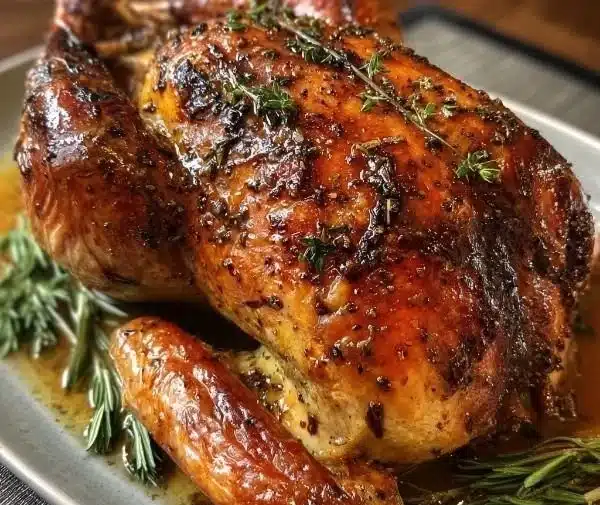
As I flip through the tattered pages of my grandmother’s old recipe book, I find myself often reminiscing about that unforgettable family gathering when I first tasted Beef Tenderloin. It’s a memory etched in my heart: the sun filtering through the oak trees outside, the scent of the grill mingling with laughter and love. My grandmother was the queen of the kitchen, transforming simple ingredients into something magical. That day, she stood by the grill, meticulously preparing the Beef Tenderloin that would become the centerpiece of our feast.
As the juices sizzled and the smoke enveloped us all, I felt an overwhelming sense of excitement. The elegant piece of meat was seasoned to perfection, highlighted by hints of rosemary and garlic. When it was finally served, the first slice revealed a tender, rosy interior, and every bite melted in my mouth. Each sumptuous morsel carried with it an emotion—a beautiful reminder of family, comfort, and the joy of sharing a home-cooked meal. Now, each time I prepare Beef Tenderloin, I feel my grandmother’s spirit with me, guiding my hands and filling my heart with warmth.
Flavor and Popularity
The Unique Flavor Profile of Beef Tenderloin
Beef Tenderloin is the epitome of culinary luxury, boasting a flavor profile that is both rich and buttery. With minimal fat marbling, this cut provides an exquisite, melt-in-your-mouth texture that can elevate any dining experience. Its umami flavor pairs beautifully with various herbs and spices, allowing it to shine in any dish. Whether grilled, roasted, or sautéed, Beef Tenderloin retains its natural sweetness, making it ideal for special occasions or cozy family dinners.
Beyond its flavor, Beef Tenderloin is also known for its versatility. You can prepare it simply with salt and pepper or elevate it with an array of spices and sauces. When cooked to perfection, it balances beautifully with earthy side dishes, from creamy mashed potatoes to sautéed asparagus. The richness of this cut invites experimentation, whether you’re eager to explore bold marinades or prefer the subtlety of fresh herbs.
Why This Recipe Is a Family Favorite and Crowd-Pleaser
What makes my Beef Tenderloin recipe a cherished favorite in my family is not only the flavor but also the stories shared around the table. It’s the meal that sparks conversations and laughter—every bite is followed by a story, a memory, or a hopeful plan for the future. This dish brings people together and creates cherished moments.
When I first shared this recipe with my children, I watched their eyes light up with delight. It became a ritual for us to gather on the weekends, preparing this special dinner while sharing stories and laughter—the heartbeat of our family. Over time, it has transformed into a tradition, an occasion to celebrate life’s milestones and simple moments alike. Beyond the beautiful flavors of the tenderloin itself, it is a reminder of the bonds we share and the love we infuse into our meals.
Ingredients and Preparation
Essential Ingredients and Possible Substitutions
To create this unforgettable Beef Tenderloin dish, you’ll want to gather a few essential ingredients. Here’s what you’ll need:
- Beef Tenderloin: Look for a fresh cut, preferably trimmed for the best results. If unavailable, a rib-eye or strip steak could work in a pinch, but remember they offer a different texture and flavor profile.
- Seasonings: Kosher salt and freshly cracked black pepper are your best friends here. Consider adding garlic powder and onion powder for additional depth.
- Fresh Herbs: Rosemary and thyme pair beautifully, adding earthy notes that complement the beef. You might even try fresh parsley for a burst of color and freshness.
- Garlic: Fresh cloves are ideal, but roasted garlic can bring an unexpected sweetness if you’re feeling adventurous.
- Butter: Adds richness and richness during cooking, helping to infuse flavor.
- Olive Oil: For searing, this oil handles high heat well and contributes a lovely flavor.
If you find yourself short on some ingredients, no need to fret! For example, you can use dried herbs in place of fresh ones—just remember that dried herbs are more potent, so a little goes a long way. Don’t have garlic? A touch of garlic powder can also enhance the flavor profile.
Step-by-Step Recipe Instructions with Tips
Prep the Beef Tenderloin: Begin by allowing your Beef Tenderloin to come to room temperature, about 30 minutes before cooking. This ensures even cooking throughout the meat. Pat it dry with paper towels to achieve a nice crust when seared.
Season Generously: Sprinkle salt and pepper over the tenderloin liberally. Don’t be shy! Seasoning enhances the natural flavors, making it pop. You may also want to massage the fresh herbs and garlic into the meat for added flavor.
Sear to Perfection: Heat a large skillet over medium-high heat and add a drizzle of olive oil. Once shimmering, carefully place the tenderloin in the skillet. Sear on all sides until a golden brown crust forms—this should take about 3-4 minutes per side.
Add Butter and Herbs: As the last side of the tenderloin sears, toss in a couple of tablespoons of butter along with the remaining herbs and a few smashed garlic cloves. Basting the tenderloin with the melted butter creates a delightful glaze.
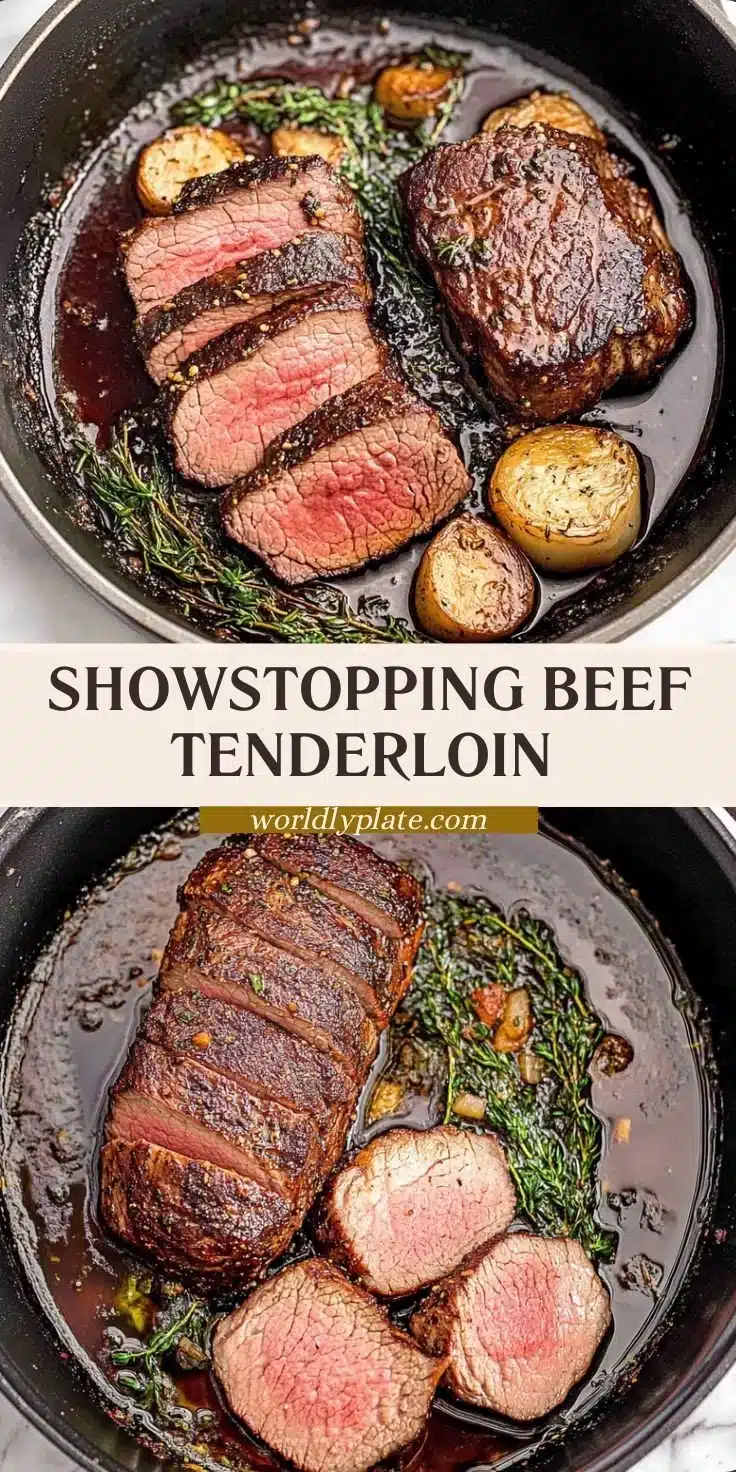
Finish Cooking: Transfer the skillet to a preheated oven set at 425°F (220°C) to finish cooking. Use a meat thermometer to achieve your desired doneness: 125°F (52°C) for medium-rare, 135°F (57°C) for medium. Remember, it will continue to cook slightly after removing from the oven.
Resting Your Meat: Once removed from the oven, let the Beef Tenderloin rest for at least 10-15 minutes before slicing. This resting period allows the juices to redistribute throughout the meat, resulting in a flavorful, juicy bite.
Slice and Serve: Aim for slices about an inch thick. Serve with your favorite sides, perhaps those garlic mushrooms that always make an appearance at family gatherings.
Cooking Techniques and Tips
How to Cook Beef Tenderloin Perfectly
Achieving the perfect Beef Tenderloin requires a bit of finesse but is certainly rewarding. Always choose high-quality beef and take care to season it adequately. Searing creates a beautiful crust, locking in flavors and juices. Using a meat thermometer takes the guesswork out of cooking; invest in one if you haven’t yet!
Moreover, don’t rush the resting time. It’s tempting to dig in right away, but patience pays off when it comes to juicy steaks. If you’re unsure, keep a knife handy; a little testing won’t hurt!
Common Mistakes to Avoid
One common mistake is cooking the Beef Tenderloin right out of the fridge. Always remember to let it rest at room temperature before cooking—skipping this step often leads to uneven cooking. Another pitfall is overcooking; use a thermometer to monitor the internal temperature closely.
Lastly, don’t forget to let it rest after cooking! Cutting into the tenderloin too soon results in a loss of valuable juices, leading to a dry bite. Patience is key, my friends!
Health Benefits and Serving Suggestions
Nutritional Value of Beef Tenderloin
Beef Tenderloin is not just a delicious meal; it’s also packed with nutrients. It contains high-quality protein essential for muscle health and repair, making it an excellent choice for anyone looking to nourish their body. It’s rich in iron, which supports healthy blood function, and offers vitamins like B12, beneficial for energy and brain health.
While it may be higher in fat than other cuts, the fat in Beef Tenderloin is often less saturated, providing a better balance of fatty acids, especially when paired with healthy side dishes rich in fiber and vitamins.
Best Ways to Serve and Pair This Dish
Serving Beef Tenderloin can be an art in itself. My favorite way is to present it on a large platter, surrounded by colorful sides. Think creamy garlic mashed potatoes, roasted seasonal vegetables, or a refreshing arugula salad drizzled with balsamic vinaigrette. The bright greens create visual appeal and balance the rich meat.
Folks often prefer to pair a nice red wine with this dish—something bold like a Cabernet Sauvignon or a velvety Merlot beautifully complements the flavors. Be sure to pour an extra glass; you’ll want to savor every moment!
FAQ Section
What type of mushrooms are best for Beef Tenderloin?
The best types of mushrooms for Beef Tenderloin include cremini and shiitake for their earthy flavor or even a delicate portobello. These varieties provide a lovely umami punch that beautifully complements the richness of the beef.
Can I use dried garlic instead of fresh?
Certainly! Dried garlic can be used and works well in a pinch, but keep in mind that it’s more concentrated. Use about one-third of the amount compared to fresh garlic to avoid overpowering the dish.
How do I store leftover Beef Tenderloin?
To store leftover Beef Tenderloin, wrap it tightly in plastic wrap or aluminum foil and place it into an airtight container. Keep it in the fridge for up to three days, ensuring it stays fresh for your next meal.
Can I freeze Beef Tenderloin?
Absolutely! If you have leftover cooked Beef Tenderloin, you can freeze it. Wrap it tightly in plastic wrap and place it in a freezer-safe bag, where it can last for up to three months. Be sure to thaw it overnight in the fridge before reheating for best results.
Conclusion
If you’re like me, cooking is about more than just the food—it’s about creating memories and sharing love. Preparing Beef Tenderloin gives you the chance to bring a touch of elegance into your home, allowing you to connect with family and friends over a meal that speaks volumes. There’s something comforting about sitting around the table, sharing laughter and stories while enjoying a perfectly cooked tenderloin. Trust me, you’ll want to make this recipe again and again. Make it your own, add your special touches, and watch it become a cherished favorite in your home, just as it is in mine.
Print
Grandmother’s Beef Tenderloin
- Total Time: 60 minutes
- Yield: 6 servings 1x
- Diet: Gluten-Free
Description
A cherished Beef Tenderloin recipe that brings family together, filled with rich flavors and delightful memories.
Ingredients
- 3–4 lbs Beef Tenderloin, trimmed
- Kosher salt
- Freshly cracked black pepper
- 1 tsp garlic powder
- 1 tsp onion powder
- Fresh rosemary, to taste
- Fresh thyme, to taste
- Fresh garlic cloves, smashed
- 2 tbsp butter
- 2 tbsp olive oil
Instructions
- Prep the Beef Tenderloin: Allow to come to room temperature for 30 minutes; pat dry with paper towels.
- Season Generously: Sprinkle salt, pepper, herbs, and garlic over the tenderloin.
- Sear to Perfection: Heat a skillet over medium-high heat with olive oil; sear tenderloin on all sides, about 3-4 minutes each.
- Add Butter and Herbs: Toss in butter, herbs, and garlic as the last side of the tenderloin sears.
- Finish Cooking: Transfer to a preheated oven at 425°F (220°C) until desired doneness (125°F for medium-rare).
- Resting Your Meat: Let it rest for 10-15 minutes before slicing.
- Slice and Serve: Cut into approximately one-inch thick slices and enjoy with your favorite sides.
Notes
Patience is key; ensure the meat rests after cooking for juicy results. Experiment with your favorite sides for a complete meal.
- Prep Time: 30 minutes
- Cook Time: 30 minutes
- Category: Main Course
- Method: Roasting
- Cuisine: American
Nutrition
- Serving Size: 1 serving
- Calories: 420
- Sugar: 0g
- Sodium: 350mg
- Fat: 20g
- Saturated Fat: 8g
- Unsaturated Fat: 10g
- Trans Fat: 0g
- Carbohydrates: 0g
- Fiber: 0g
- Protein: 44g
- Cholesterol: 120mg
Keywords: beef tenderloin, grilled beef, family recipe, elegant dinner, comfort food