
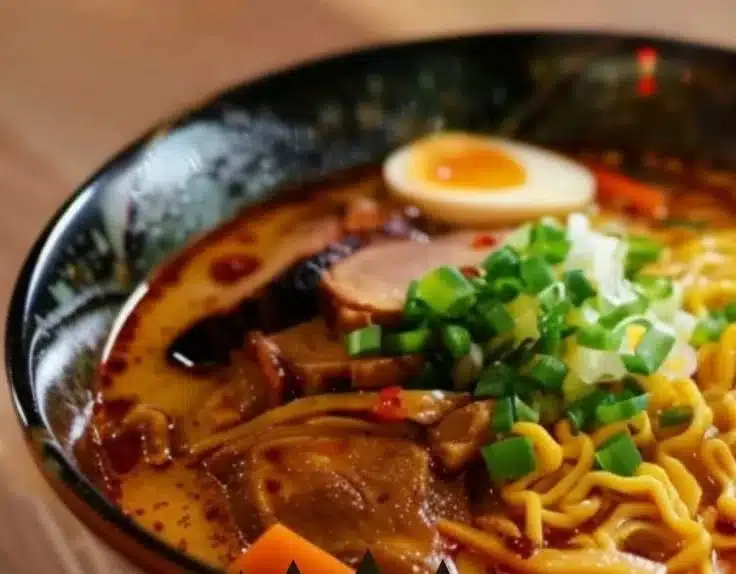
Japanese Curry Ramen: A Heartfelt Culinary Journey
I remember the first time I encountered Japanese Curry Ramen. It was a chilly autumn evening in Asheville, where the vibrant leaves rustled underfoot and the air was crisp with the promise of winter. I’d just come home from the local Asian market, my bag brimming with spices and ingredients that felt like a world away. I layered a soft noodle blanket in a deep bowl, topped it with rich curry sauce that perfumed the kitchen with warmth and comfort, and ladled a fragrant broth filled with tender vegetables over it all. As I took that first bite, the umami flavors danced on my palate—a perfect blend of warmth, fragrance, and the soul-soothing zest of my childhood. Japanese Curry Ramen became an instant favorite, and I couldn’t help but share it with my family, who gathered round the kitchen to join in the feast. It wasn’t just a meal; it was a celebration of tastes, memories, and the sheer joy of cooking for those I love.
Flavor and Popularity
The Unique Flavor Profile of Japanese Curry Ramen
Japanese Curry Ramen is a harmonious blend of flavors that dances in your mouth, filled with the comforting earthiness of curry and the delightful heartiness of ramen noodles. The curry itself is rich and aromatic, characterized by a gentle sweetness from the onions and a hint of spiciness that tickles your taste buds without overwhelming them. Simultaneously, the ramen noodles serve as the soft embrace, soaking up the essence of the savory broth while adding a perfect chewy texture.
The layers of flavor deepen as you introduce sautéed mushrooms, crisp vegetables, and perhaps some slow-braised pork or tofu, depending on your preference. It’s no wonder this dish has gained popularity; it’s versatile, wholesome, and brings a little piece of Japan into your kitchen. Each bowl tells a story, melding together tradition, family, and innovation—an edible hug that wraps around you with every spoonful.
Why This Recipe Is a Family Favorite and Crowd-Pleaser
One of the things I love most about Japanese Curry Ramen is how it brings people together. Whenever I serve it, I see faces light up with delight. My family loves night after night of this comforting dish—and it’s a breeze to customize! That means everyone gets to enjoy their favorite ingredients. Kids love the noodles and the not-too-spicy sauce, while adults appreciate the complexity brought by fresh herbs and hearty toppings.
It’s incredibly satisfying to know I can make something simple that resonates with so many, warming not just the stomachs but also the hearts of those around the table. Hosting friends or family, I always find myself doubling the recipe, as I just know people will come back for seconds! From birthdays to cozy weeknight dinners, Japanese Curry Ramen has become our go-to dish, unforgettable and forever cherished in our recipe book.
Ingredients and Preparation
Essential Ingredients and Possible Substitutions
To make a delectable bowl of Japanese Curry Ramen, you’ll want a few essential ingredients that provide a delightful blend of flavors and textures:
Ramen Noodles: Opt for fresh or dried ramen noodles, depending on what’s available to you—they both work like a charm.
Japanese Curry Paste: This unique blend of spices, typically available in blocks, gives the dish its signature taste—don’t hesitate to experiment with different brands to find your favorite!
Broth: Using a rich chicken or vegetable broth as the base adds depth to the flavors. You can even create your own homemade stock for an extra touch of love.
Aromatics: Garlic, ginger, and onions—the holy trinity of flavor—are essential in creating a fragrant backdrop for your dish.
Mushrooms: I love to use shiitake or enoki mushrooms for their unique textures and earthy flavors that elevate the entire dish.
Vegetables: Feel free to include bok choy, spinach, or carrots—whatever suits your pantry. Swapping ingredients is part of the fun!
Protein Choices: From tofu for a vegetarian delight to thinly sliced pork or chicken for a heartier option, the choices are endless.
Toppings: Green onions, nori, and soft-boiled eggs are lovely additions that bring color and richness to your bowl.
If you need substitutions, don’t fret! For a gluten-free version, use rice noodles or zoodles instead. Swap in your favorite vegetables, or go meatless with chickpeas for added protein. The beauty of cooking is its flexibility—embrace your creativity!
Step-by-Step Recipe Instructions with Tips
To make a comforting bowl of Japanese Curry Ramen, let’s dive into the cooking method:
Prepare the Broth: In a large pot, heat a tablespoon of oil over medium heat. Add minced garlic and ginger until fragrant, about 1 minute. Pour in your broth of choice and bring it to a simmer.
Add the Curry Paste: Break off a piece of your Japanese curry paste, adding it to the simmering broth. Stir until it’s fully dissolved, incorporating its sweet and spicy goodness into the mix.
Sauté the Vegetables: In a separate skillet, heat a little oil and add diced onions. Sauté them until golden, then toss in your mushrooms and any additional veggies. Cook until just tender but still vibrant.
Cook the Noodles: In the pot with your simmering broth, add your ramen noodles. Cook according to package instructions, usually just a few minutes.
Combine It All: Once the noodles are ready, add them to the skillet with your sautéed vegetables, allowing everything to meld together. Allow this to simmer for another 2-3 minutes.
Finish with Toppings: Ladle the steaming soup into bowls, then personalize with your favorite toppings. Soft-boiled eggs drizzled with soy sauce, sliced green onions, or even a sprinkle of sesame seeds brighten the presentation.
Serving Suggestions: Enjoy it hot, watching as it steams in the evening air, and dig in!
Trust me: the aroma wafts through your home, inviting everyone to join in this delightful, nourishing experience.
Cooking Techniques and Tips
How to Cook Japanese Curry Ramen Perfectly
Perfecting Japanese Curry Ramen hinges on a few essential techniques:
Don’t Rush the Broth: Allowing the broth to simmer helps develop rich, layered flavors. Don’t be afraid to let it bubble gently.
Cook Veggies Al Dente: Aim for a colorful mix of veggies cooked just right—keeping them slightly crunchy will enhance the overall texture of your dish.
Flavor Boosts: Don’t shy away from adding extra seasonings and spices. If you want a spicier kick, toss in some red pepper flakes or a splash of chili oil.
Common Mistakes to Avoid
When preparing your Japanese Curry Ramen, some common pitfalls to steer clear of include:
Overcooking the Noodles: Ramen noodles can become mushy if boiled too long. Follow package instructions carefully.
Ignoring the Herbs: Fresh herbs add brightness; sometimes, a simple sprinkle of cilantro or scallions can transform the entire dish.
Not Balancing the Flavor: Make sure to taste your broth before serving. Adjust with salt, soy sauce, or even a touch of sugar to balance that lovely umami richness.
Health Benefits and Serving Suggestions
Nutritional Value of Japanese Curry Ramen
Japanese Curry Ramen is not just delicious; it’s also packed with nutrients, depending on its ingredients. Loaded with vegetables like bok choy and mushrooms, you’re supplying your body with essential vitamins and minerals. The noodles provide carbohydrates that fuel your day, while a good source of protein from meat, tofu, or eggs contributes to muscle repair and energy.
Curried dishes often have spices rich in antioxidants—think turmeric, ginger, and garlic––which are praised for their anti-inflammatory properties. Enjoying this dish nurtures not only the soul but also promotes overall well-being.
Best Ways to Serve and Pair This Dish
Japanese Curry Ramen can be the star of your table or served alongside various sides. Think about pairing it with steamed dumplings, crunchy tempura vegetables, or a refreshing cucumber salad. A light and bubbly Japanese beer can enhance your meal, or a soothing matcha tea serves as a perfect finish.
Feel free to present your ramen bowls garnished with colorful toppings; remember, we eat with our eyes first! The bright greens of scallions against the golden broth beckon—and that’s exactly how I love to share this dish with my family.
FAQ Section
What type of mushrooms are best for Japanese Curry Ramen?
Shiitake and enoki mushrooms are top choices for their unique textures and earthy flavors. Shiitake’s meaty quality pairs nicely, while enoki adds a delightful crunch.
Can I use dried garlic instead of fresh?
While you can substitute dried garlic, fresh garlic brings a brighter flavor, infusing your broth with more aroma. If you use dried garlic, be cautious, as it has a more potent taste.
How do I store leftover Japanese Curry Ramen?
Leftover Japanese Curry Ramen can be stored in an airtight container in the fridge for up to 3 days. Just keep the noodles separate from the broth to maintain their texture.
Can I freeze Japanese Curry Ramen?
Yes, but it’s best to freeze the broth and toppings separately. This way, noodles won’t go mushy when thawing. Store in freezer-safe containers for up to a month.
Conclusion
If you’re like me and love to gather family and friends around your table, I encourage you to dive into making this Japanese Curry Ramen. It embodies warmth, flavor, and love—all wrapped into a single bowl. The joy of cooking for those you cherish will resonate with every bite. Every time you take a spoonful, remember it’s not just a meal—it’s a celebration of shared moments and cherished memories. You’ll find comfort in each delicious mouthful—and trust me, you’ll want to make this again and again.
Print
Japanese Curry Ramen
- Total Time: 35 minutes
- Yield: 4 servings
- Diet: Vegetarian option available
Description
A comforting bowl of Japanese Curry Ramen infused with rich flavors and heartwarming aromas, perfect for family gatherings or cozy dinners.
Ingredients
- Ramen Noodles
- Japanese Curry Paste
- Rich Chicken or Vegetable Broth
- Garlic
- Ginger
- Onions
- Shiitake or Enoki Mushrooms
- Bok Choy, Spinach, or Carrots
- Tofu or Thinly Sliced Pork/Chicken
- Green Onions
- Nori
- Soft-Boiled Eggs
Instructions
- Prepare the Broth: In a large pot, heat a tablespoon of oil over medium heat. Add minced garlic and ginger until fragrant, about 1 minute. Pour in your broth of choice and bring it to a simmer.
- Add the Curry Paste: Break off a piece of your Japanese curry paste, adding it to the simmering broth. Stir until it’s fully dissolved.
- Sauté the Vegetables: In a separate skillet, heat a little oil and add diced onions. Sauté until golden, then toss in your mushrooms and any additional veggies. Cook until just tender.
- Cook the Noodles: In the pot with your simmering broth, add the ramen noodles and cook according to package instructions, usually just a few minutes.
- Combine It All: Once the noodles are ready, add them to the skillet with your sautéed vegetables and allow everything to meld together for another 2-3 minutes.
- Finish with Toppings: Ladle the soup into bowls, then personalize with your favorite toppings like soft-boiled eggs, sliced green onions, or sesame seeds.
Notes
For a gluten-free option, substitute with rice noodles or zoodles. This dish is customizable and can be modified based on preferences.
- Prep Time: 20 minutes
- Cook Time: 15 minutes
- Category: Main Course
- Method: Stovetop
- Cuisine: Japanese
Nutrition
- Serving Size: 1 bowl
- Calories: 500
- Sugar: 5g
- Sodium: 800mg
- Fat: 15g
- Saturated Fat: 3g
- Unsaturated Fat: 10g
- Trans Fat: 0g
- Carbohydrates: 70g
- Fiber: 6g
- Protein: 20g
- Cholesterol: 70mg
Keywords: Japanese Curry Ramen, Comfort Food, Easy ramen recipe, Japanese cuisine, Vegetarian ramen