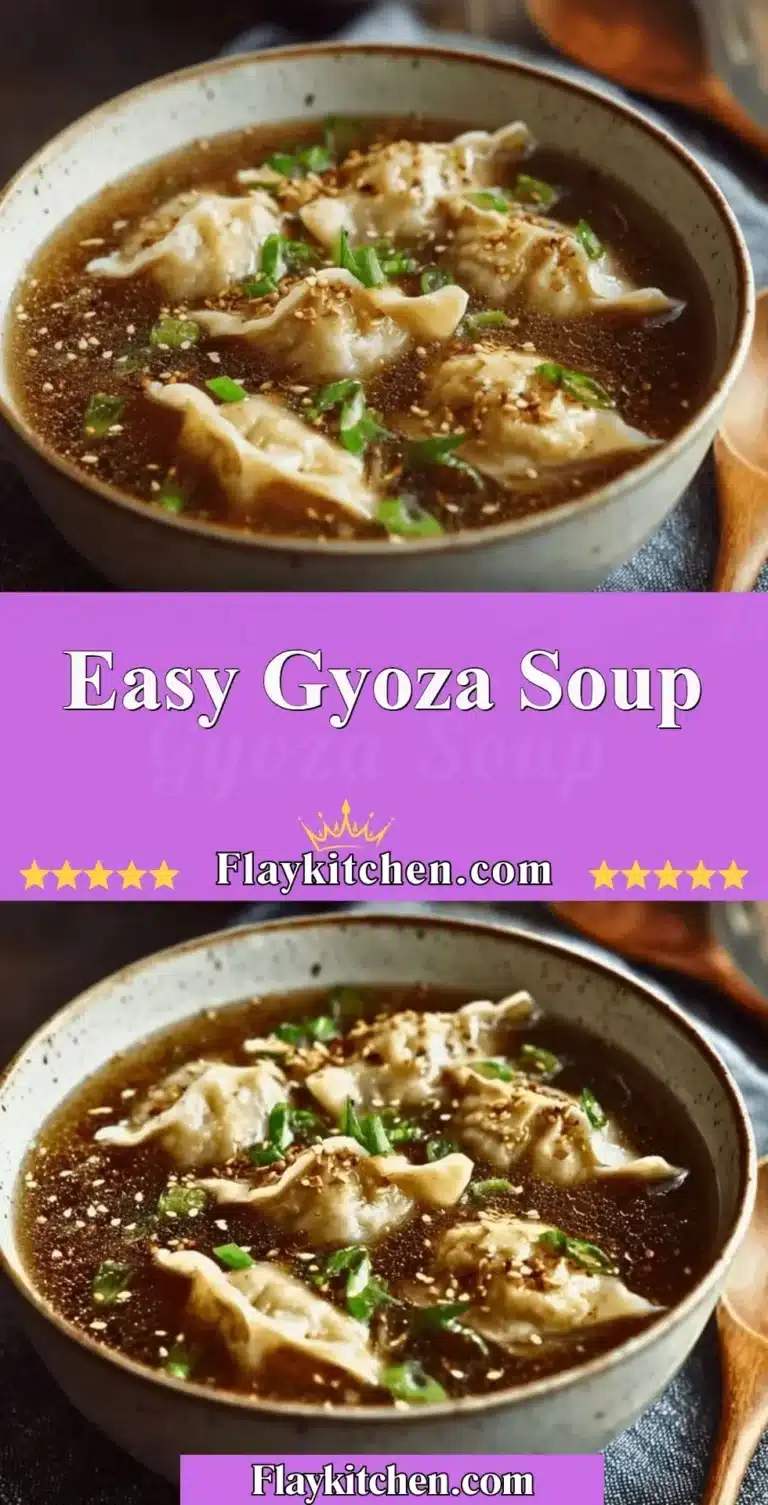
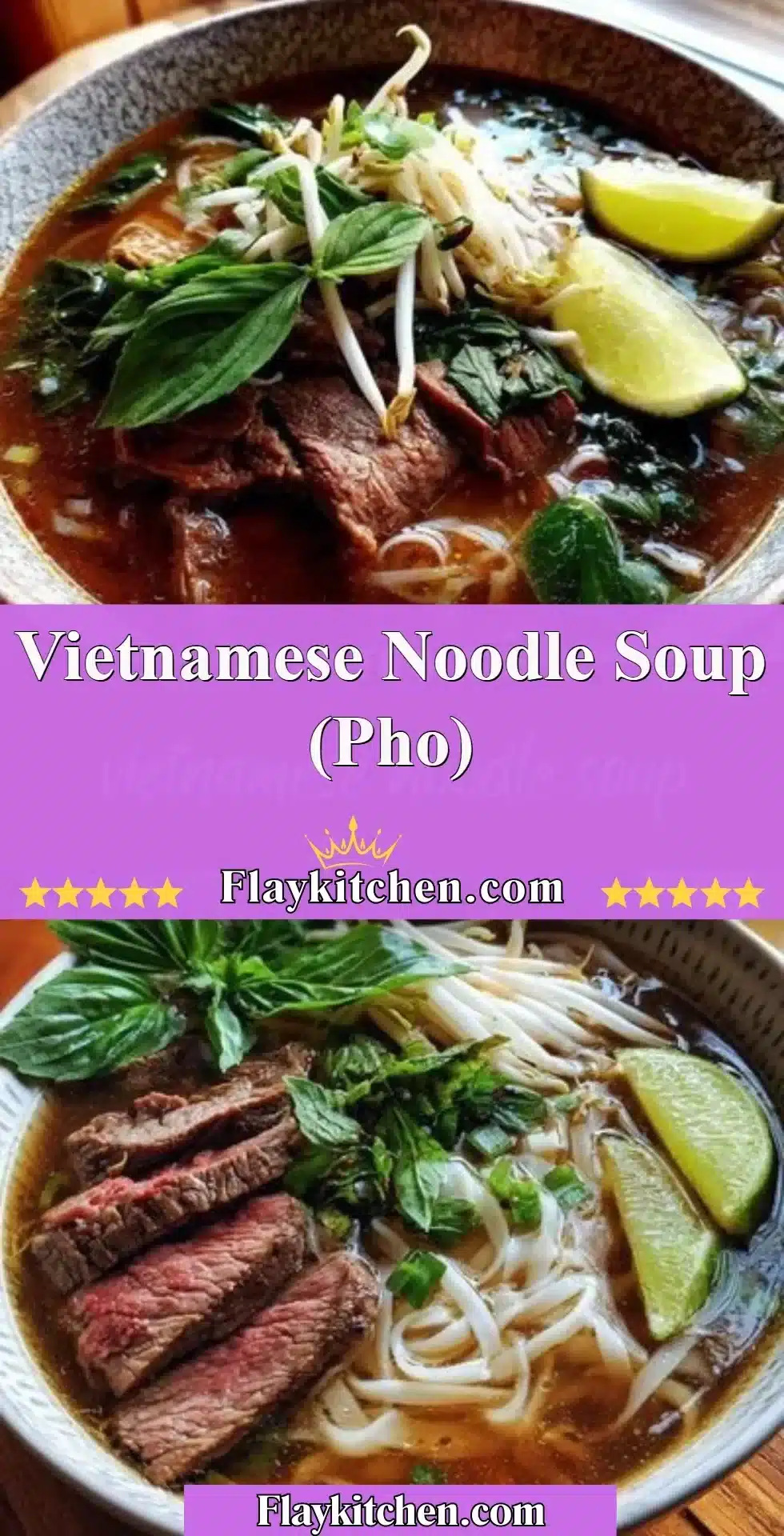
The first time I savored a steaming bowl of Vietnamese Noodle Soup, or pho as they call it, was during a little escapade to Richmond, Virginia. On a brisk autumn day, my friend suggested a charming little eatery bursting with the aroma of herbs and spices. As the waiter placed that bowl before me, the sight alone stole my breath. The delicate, aromatic broth danced over silky rice noodles, topped with tender beef slices, and a heaping handful of vibrant herbs. My heart fluttered with excitement as I took my first slurp, the warmth spreading through me like a loving embrace. Each sip was like a hug from my grandmother, reminding me of her kitchen filled with the chatter of family and the sizzling sounds of comfort food being prepared.
In that little bowl of Vietnamese noodle soup, I encountered flavor notes I had never tasted before—an enchanting blend of sweet, savory, and a hint of spice. I loved the way the fresh basil and lime made everything pop, transforming simple ingredients into something magical. From that day on, pho quickly became a staple in my kitchen, a dish I turned to when I wanted to share joy and warmth with my loved ones. Today, I’m excited to share with you how to create this cherished dish at home, and trust me, once you get a taste of homemade Vietnamese Noodle Soup, you’ll be hooked!
Flavor and Popularity
The Unique Flavor Profile of Vietnamese Noodle Soup (Pho)
What makes Vietnamese noodle soup, or pho, stand out is its unique flavor profile, a symphony of tastes that play beautifully together. The heart of pho, the broth, is where the magic happens. It’s rich and aromatic, thanks to the careful simmering of beef bones, spices like star anise and cinnamon, and an array of fresh herbs. The interplay of savory notes from the broth and the sweetness from the spices creates a depth that’s nothing short of addictive.
Each bowl captures a perfect balance of rich umami from the meat, the brightness of fresh herbs, and a hint of acidity from lime and chilies. With every bite, the silky rice noodles soak up the broth’s essence, which is why I always make sure to serve it piping hot. More than just a meal, it’s a celebration of flavors that reflects the vibrant culture of Vietnam. It’s no wonder pho has garnered a loyal following around the globe; each bowl tells a story, a comforting invitation to gather around the table and share a moment of connection.
Why This Recipe Is a Family Favorite and Crowd-Pleaser
My family has always been a fan of pho, and I believe that’s because it’s such a customizable dish. Everyone can personalize their bowl with their favorite toppings—whether it’s a mountain of bean sprouts, fresh cilantro, or a drizzle of hoisin sauce, pho brings everyone together. My kids often dive in with chopsticks, delightedly slurping the noodles, while my husband enjoys crafting his own bowl with generous sprigs of fresh herbs. It’s a beautiful thing how a simple dish can bring joy to our dining table.
Whenever we have friends over, I whip up a big pot of pho—this dish acts like a magnet, drawing people together. There’s something comforting about the familiar aromas wafting through the house that creates an inviting atmosphere. People gather in the kitchen as I ladle out servings, exclaiming over the bright colors and delicious smells. When I see their delighted faces, I feel that my labor is not just in the cooking but in creating cherished memories and laughter around the table. Whether you’re hosting a special occasion or just serving dinner to your family, Vietnamese Noodle Soup truly shines as the heartwarming centerpiece.
Ingredients and Preparation
Essential Ingredients and Possible Substitutions
To create your own aromatic Vietnamese noodle soup, you’ll want to gather a variety of essential ingredients. Here’s what you’ll need to craft this delightful dish:
- Beef (chuck, brisket, or meatballs): Choose cuts that lend themselves well to slow cooking, resulting in tender morsels that melt in your mouth.
- Rice noodles: These are key to achieving the perfect pho texture. Opt for flat rice noodles for an authentic feel.
- Beef broth: Homemade beef broth enhances the flavor significantly, but store-bought can work if you’re in a pinch.
- Aromatics: Onions, ginger, and garlic create a fragrant base. Roasting the onion and ginger beforehand adds a lovely smoky depth.
- Spices: Star anise, cloves, and cinnamon sticks infuse warmth and unique flavor into the broth, transporting you to the streets of Hanoi.
- Fresh herbs: Gather a bunch of Thai basil, cilantro, and mint to add a fresh kick. They elevate the dish to new heights.
- Lime: A squeeze of lime at the end brightens all the flavors, making for a refreshing finish.
- Chili: Fresh or dried, these can be added to adjust the heat level to your liking.
If you need substitutions, don’t fret! You can use chicken or tofu for a different protein approach. Swap in vegetable broth if you want a lighter, vegetarian option. As for veggies, mix it up with whatever produce you have in your fridge—zucchini, snap peas, or even mushrooms can yield delightful results.
Step-by-Step Recipe Instructions with Tips
Prepare the Broth: Start by charring the onion and ginger over an open flame or under the broiler until they’re fragrant and slightly blackened. This adds a wonderful depth and flavor.
Simmer the Ingredients: In a large stockpot, combine your charred onion, ginger, beef bones, and enough water to cover. Add star anise, cloves, and cinnamon sticks. Simmer for 4 to 6 hours. This lengthy process helps extract richness from the beef bones and spices.
Strain the Broth: Once your broth is ready, strain it into another pot, discarding the solids. Return the clear liquid to the stove and season it with fish sauce, salt, and sugar to balance the taste.
Cook the Rice Noodles: In a separate pot, cook the rice noodles according to the package instructions until just tender. Rinse them with cold water to stop the cooking process.
Assemble Your Bowls: In each bowl, place a portion of cooked noodles, a few slices of your chosen beef, and top with hot broth.
Garnish: Add a generous bouquet of fresh herbs, bean sprouts, lime wedges, and sliced chilies. Encourage everyone to add their favorite toppings, making each bowl a personal masterpiece!
Serve and Enjoy: Ladle the steaming soup into bowls and serve immediately, savoring the symphony of flavors. Enjoy with loved ones and make it a cherished occasion.
Cooking Techniques and Tips
How to Cook Vietnamese Noodle Soup (Pho) Perfectly
Cooking pho is all about patience. Take the time to simmer the broth deeply and honestly—don’t rush this magical elixir. This process will reward you with layers of flavor that make your pho stand out. Make sure to skim any impurities that rise to the surface while simmering to keep your broth clear and appetizing.
Additionally, using high-quality ingredients makes a noticeable difference. Don’t skimp on fresh herbs or spices—they are the heart and soul of this dish. For the meat, choose cuts that are marbled, ensuring tenderness and richness.
Common Mistakes to Avoid
One common mistake is not allowing the broth to simmer long enough. If you don’t simmer for at least several hours, the flavor will fall flat. Another pitfall is overcooking the noodles. They should be al dente, as they will continue to soften once you add the hot broth.
Be mindful of your seasoning, too! Start with a little fish sauce and taste as you go to find that perfect balance of salty, sweet, and umami magic!
Health Benefits and Serving Suggestions
Nutritional Value of Vietnamese Noodle Soup (Pho)
Vietnamese noodle soup isn’t just delicious—it’s nourishing, too! A typical serving offers a good balance of protein, carbohydrates, and vitamins, especially if you pack it with fresh vegetables. The broth, rich in nutrients from simmered beef bones, provides collagen and essential amino acids, which can support skin health and digestion.
Fresh herbs not only add flavor but also pack a nutrient punch. Basil and cilantro boast antioxidants, while lime juice provides Vitamin C, giving your dish that extra health boost.
Best Ways to Serve and Pair This Dish
Pho is a versatile dish that can be served in numerous ways. Pair it with crispy spring rolls or a fresh salad for a bit of crunch and contrast in texture. You can also bring out a few sauces on the side—hoisin, chili paste, and sriracha—allowing each person to tailor their bowl to their liking.
For drinks, I love serving iced tea or a light lager that complements the fragrant flavors. And, of course, don’t forget a warm baguette or crispy rice crackers for that delightful crunch alongside the dip.
FAQ Section
What type of mushrooms are best for Vietnamese Noodle Soup (Pho)?
When it comes to mushrooms, shiitake or enoki mushrooms are excellent choices for pho. They add a subtle earthiness and umami depth that enhances the overall flavor of the soup. If you can find fresh mushrooms, they contribute a delightful textural contrast as well.
Can I use dried garlic instead of fresh?
While fresh garlic is ideal for its vibrant flavor, you can use dried garlic if that’s all you have on hand. However, remember that the flavor will be less pungent, so consider adjusting the quantity to your taste, using about one-third of the amount of fresh garlic.
How do I store leftover Vietnamese Noodle Soup (Pho)?
If you have leftovers, store the broth and noodles separately. Place the broth in an airtight container in the fridge for up to 4 days. Noodles will keep for about 2 days. When you’re ready to enjoy your soup again, simply reheat the broth and add freshly cooked noodles.
Can I freeze Vietnamese Noodle Soup (Pho)?
Absolutely! Pho freezes beautifully, though it’s best to freeze the broth separately from the noodles. Freeze the broth in airtight containers for up to 3 months. When you’re ready to enjoy it once more, defrost the broth overnight and reheat, adding fresh noodles and toppings for that just-made taste.
As we wrap up this aromatic journey, I hope you feel inspired to create your own bowl of warmth with Vietnamese Noodle Soup. Cooking this dish is not just about following a recipe; it’s about crafting memories and spreading joy through food. If you’re like me and believe that home-cooked meals are the heart of any gathering, then pho will become a cherished addition to your repertoire. There’s something comforting about the process—the simmering broth, the vibrant colors of fresh ingredients, and the chatter of loved ones around the table.
Trust me, you’ll want to make this again and again, not just for the flavor but for the connections it fosters. So gather your loved ones, put on your apron, and let the warm, enticing aroma of homemade Vietnamese Noodle Soup fill your kitchen. Happy cooking!
Print
Vietnamese Noodle Soup (Pho)
- Total Time: 390 minutes
- Yield: 6 servings 1x
- Diet: Non-Vegetarian
Description
Aromatic and flavorful Vietnamese noodle soup crafted with tender beef, silky rice noodles, and a medley of fresh herbs, perfect for bringing loved ones together.
Ingredients
- Beef (chuck, brisket, or meatballs)
- Flat rice noodles
- Homemade or store-bought beef broth
- 2 onions, charred
- 1 piece of ginger, charred
- 5 cloves of garlic
- Star anise
- Cloves
- Cinnamon sticks
- Fish sauce
- Salt
- Sugar
- Fresh Thai basil
- Fresh cilantro
- Fresh mint
- Lime wedges
- Fresh or dried chili
- Bean sprouts
Instructions
- Char the onion and ginger over an open flame until fragrant and slightly blackened.
- In a large stockpot, combine charred onion, ginger, beef bones, and enough water to cover. Add star anise, cloves, and cinnamon sticks. Simmer for 240-360 minutes.
- Strain the broth into another pot, discarding solids, and season with fish sauce, salt, and sugar.
- Cook rice noodles according to package instructions until just tender; rinse with cold water.
- In each bowl, place a portion of cooked noodles, a few slices of beef, and top with hot broth.
- Add fresh herbs, bean sprouts, lime wedges, and chili. Encourage personalization.
- Ladle the steaming soup into bowls and serve immediately.
Notes
For a lighter option, substitute chicken or tofu for beef and vegetable broth instead of beef broth. Fresh herbs are essential for flavor.
- Prep Time: 30 minutes
- Cook Time: 360 minutes
- Category: Soup
- Method: Simmering
- Cuisine: Vietnamese
Nutrition
- Serving Size: 1 bowl
- Calories: 420
- Sugar: 5g
- Sodium: 800mg
- Fat: 18g
- Saturated Fat: 7g
- Unsaturated Fat: 8g
- Trans Fat: 0g
- Carbohydrates: 45g
- Fiber: 2g
- Protein: 30g
- Cholesterol: 70mg
Keywords: pho, Vietnamese noodle soup, comfort food, beef soup, homemade pho