There’s something magical about the moment you mix spices together for the first time. I remember the day vividly—standing in my kitchen, fragrant herbs and spices spread out across the countertop, as I embarked on my journey to create Homemade Old Bay Seasoning. The aroma danced in the air, whisking me back to sunny afternoons spent by the shore, where I watched my grandmother expertly sprinkle that tangy seasoning onto fresh shrimp. The excitement of creating my own blend reverberated through me, like an old tune played on a sun-kissed ukulele.
As I combined the flavors—celery salt, paprika, bay leaves, and a hint of ground mustard—it hit me: this was more than just a seasoning; it was a family tradition, a bridge between my past and the meals I would serve at my table. The swirling scents invoked memories of family gatherings, laughter, and shared dishes brimming with love. Every grain was a reminder that food brings us together, and with each pinch, I felt a connection to my roots. Making my own Homemade Old Bay Seasoning became a celebration of flavor, heritage, and a fresh adventure in my backyard kitchen.
Flavor and Popularity
The Unique Flavor Profile of Homemade Old Bay Seasoning
Homemade Old Bay Seasoning is a delightful blend that encapsulates the essence of the Chesapeake Bay. The flavor is a harmonious dance of savory, zesty, and slightly sweet notes that deepen every dish it touches. The underlying warmth of paprika and the earthy tones of thyme and bay leaves come together with the fresh zing of celery salt, making it irresistible on seafood, grilled meats, and even roasted vegetables.
This blend resonates with food enthusiasts and home cooks alike, offering a versatile companion to countless dishes. It’s the secret ingredient behind buttery clams, the zesty kick in crab cakes, and the unexpected twist on popcorn. Many people associate it with summer barbecues and family reunions, but the beauty of Homemade Old Bay Seasoning is that it can be enjoyed year-round, turning ordinary meals into extraordinary experiences.
Why This Recipe Is a Family Favorite and Crowd-Pleaser
What makes this recipe a staple in my cooking repertoire is its sheer versatility. Friends and family always talk about the warm, welcoming taste that lingers long after the last bite. I love using it in everything from classic seafood boils to baked chicken, and I’m often surprised by how many side dishes it enhances!
This seasoning transforms vegetables—sprinkle it over roasted corn for a delightful side, or toss it into a sautéed mushroom medley for richness. Its ability to elevate a humble dish into something truly special is what keeps my friends asking for the recipe. When people gather around my table, the familiar scent of Homemade Old Bay Seasoning brings smiles and stories, creating an atmosphere of joy and warmth.
Ingredients and Preparation
Essential Ingredients and Possible Substitutions
Creating your own Homemade Old Bay Seasoning requires just a handful of basic ingredients, and it’s easy to customize based on what you have available. Here’s the list:
- Celery Salt: This is the cornerstone of the flavor; it adds that classic Old Bay taste. If you’re in a pinch, you can use regular salt and finely chopped celery, but it won’t have the same punch.
- Paprika: Choose sweet paprika for a mild sweetness or smoked paprika for a richer flavor. They both add depth, so feel free to experiment!
- Black Pepper: Freshly cracked black pepper brings a subtle heat, rounding out the seasoning.
- Ground Bay Leaves: Ground bay leaves may be tricky to find, but they offer a distinctive aroma. If you can’t locate them, you can leave them out or replace them with a touch of dried thyme.
- Dried Mustard: This adds a tangy edge to the mix. You can substitute with Dijon mustard for a spicier kick, but be mindful of the moisture it adds.
- Oregano & Thyme: These herbs add earthy flavors. You can use fresh herbs if preferred, just increase the quantity.
- Cayenne Pepper or Red Pepper Flakes: For those who love a kick, add cayenne or red pepper flakes for heat.
These ingredients come together to create a symphony of flavors, and they’re flexible, allowing for personal touches. If you find you love dill, toss some in!
Step-by-Step Recipe Instructions with Tips
To make Homemade Old Bay Seasoning, follow these simple steps:
- Gather Your Ingredients: Make sure all your spices are fresh for the best flavor.
- Mix the Dry Ingredients: In a mixing bowl, combine 1 tablespoon of celery salt, 1 tablespoon of paprika, 1 teaspoon of ground black pepper, 1 teaspoon of dried mustard, 1 teaspoon of ground bay leaves, 1 teaspoon of dried thyme, 1 teaspoon of dried oregano, and cayenne pepper to taste.
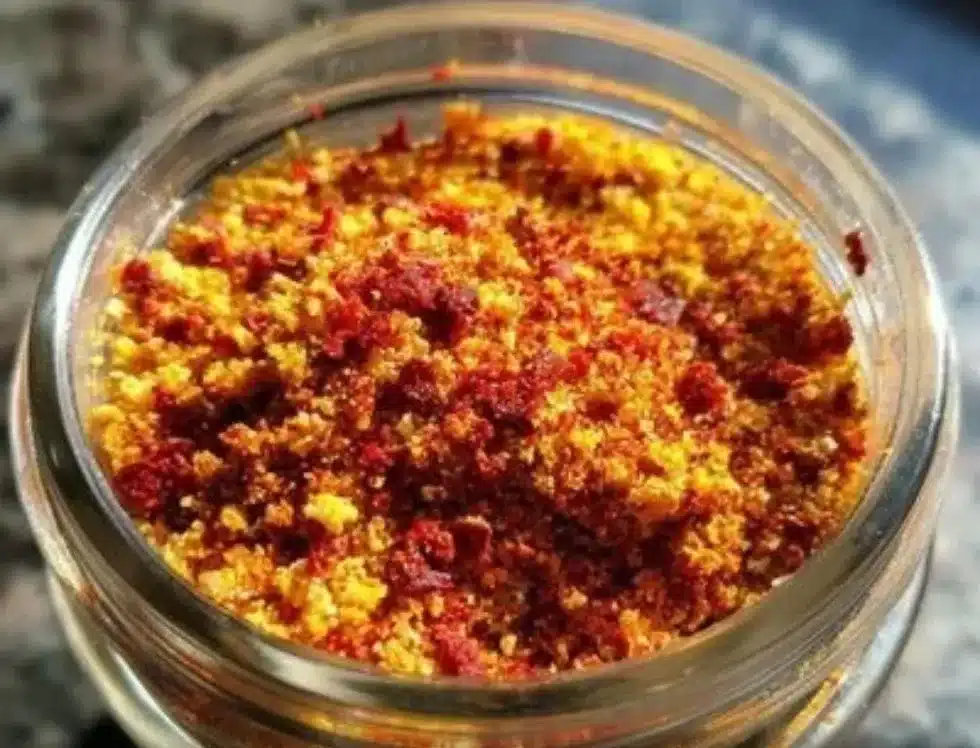
- Stir Thoroughly: Use a whisk or spoon to ensure all the spices are evenly blended. The colors should be vibrant, echoing the rich flavors you’ll soon enjoy.
- Taste and Adjust: Take a tiny pinch to taste. Feel free to adjust the cayenne or any other spices to suit your palate.
- Store: Transfer the seasoning to an airtight container. I love using glass jars; they keep the mix fresh and can be pretty on your spice rack too.
For best results, let the seasoning sit for at least a day before using. This allows the flavors to meld, creating a truly aromatic blend that enhances everything it touches.
Cooking Techniques and Tips
How to Cook Homemade Old Bay Seasoning Perfectly
For the ultimate cooking experience, the secret lies in timing and technique. When using Homemade Old Bay Seasoning, it’s best to add it at the right moment in your cooking process. For instance, when steaming seafood, sprinkle it into the water for a fragrant infusion.
If you’re marinating proteins, mix the seasoning with olive oil, lemon juice, and fresh garlic. Let your seafood or meats soak in those flavors for at least an hour. The key is to allow those spices to penetrate, so they don’t just coat the surface but create a delightful, flavorful experience in every bite.
Common Mistakes to Avoid
It’s easy to overdo it with spices, so be mindful of how much you’re using! Start with a small amount, and remember, you can always add more. Also, be aware that some ingredients may lose potency over time. Always ensure your dried herbs and spices are fresh; old spices can lead to lackluster flavors.
Health Benefits and Serving Suggestions
Nutritional Value of Homemade Old Bay Seasoning
One of the reasons I adore Homemade Old Bay Seasoning is that it can elevate dishes without adding extra calories. Most of the spices used are low in calories and fat, while offering a wealth of flavor. Celery salt contains essential minerals, and spices like paprika are packed with antioxidants. Herbs like thyme and oregano bring numerous health benefits, including anti-inflammatory properties.
Using this seasoning as a flavor enhancer can help reduce the need for additional salt, making your meals not only more flavorful but healthier too!
Best Ways to Serve and Pair This Dish
Homemade Old Bay Seasoning shines on seafood, but it pairs beautifully with just about anything! Try it with roasted potatoes drizzled with olive oil, or sprinkled over sautéed greens for a savory side. For a fun twist, dust it onto popcorn for a delightful movie night treat.
It also enhances dips; stir it into sour cream or Greek yogurt for a quick dip that will impress your guests. I often whip it into a creamy coleslaw or boost a simple mayo to create a zesty sandwich spread.
FAQ Section (SEO + NLP Style)
What type of mushrooms are best for Homemade Old Bay Seasoning?
When it comes to mushrooms, I favor earthy varieties like shiitake or cremini. They hold up well against the bold flavors of Homemade Old Bay Seasoning, enhancing your dishes with rich umami notes.
Can I use dried garlic instead of fresh?
Absolutely! Dried garlic can be a great substitute, especially when you’re in a rush. Just remember that dried garlic has a more concentrated flavor, so use it sparingly in comparison to fresh.
How do I store leftover Homemade Old Bay Seasoning?
Keep your Homemade Old Bay Seasoning in an airtight container, away from light and heat. A cool, dark cabinet will do the trick! Make sure to label it with the date you prepared it; it should stay fresh for several months.
Can I freeze Homemade Old Bay Seasoning?
Freezing isn’t necessary for this seasoning since the ingredients maintain their potency well in a cool space. However, if you prefer to portion it out, feel free to freeze it in ice cube trays mixed with a little oil for quick use in recipes later!
Conclusion
If you’re like me and cherish the simple joys found in cooking, crafting your own Homemade Old Bay Seasoning is a delightful way to connect with your roots while sharing love at your table. The comfort and warmth that comes from a vibrant dish covered in this zesty mix is truly unparalleled.
Trust me, you’ll want to make this again and again. Each sprinkle brings a dash of nostalgia and a flare of flavor, reminding us that food is so much more than sustenance—it’s the heart of our gatherings, our stories, and our lives. So, roll up your sleeves and give it a whirl; I promise you’ll be rewarded with dishes that bring everyone to the table!
Print
Homemade Old Bay Seasoning
- Total Time: 10 minutes
- Yield: 1 batch 1x
- Diet: Vegetarian
Description
A delightful blend of herbs and spices that encapsulates the essence of the Chesapeake Bay, enhancing seafood, meats, and vegetables.
Ingredients
- 1 tablespoon celery salt
- 1 tablespoon paprika
- 1 teaspoon ground black pepper
- 1 teaspoon dried mustard
- 1 teaspoon ground bay leaves
- 1 teaspoon dried thyme
- 1 teaspoon dried oregano
- Cayenne pepper to taste
Instructions
- Gather your ingredients.
- Mix the dry ingredients in a bowl.
- Stir thoroughly to ensure an even blend.
- Taste and adjust the cayenne or spices as needed.
- Store in an airtight container.
- Let sit for at least a day before using for best flavor.
Notes
For best results, let the seasoning meld for a day. Use glass jars to keep the mix fresh.
- Prep Time: 10 minutes
- Cook Time: 0 minutes
- Category: Condiment
- Method: Mixing
- Cuisine: American
Nutrition
- Serving Size: 1 teaspoon
- Calories: 5
- Sugar: 0g
- Sodium: 200mg
- Fat: 0g
- Saturated Fat: 0g
- Unsaturated Fat: 0g
- Trans Fat: 0g
- Carbohydrates: 1g
- Fiber: 0g
- Protein: 0g
- Cholesterol: 0mg
Keywords: seasoning, spice blend, homemade seasoning, Old Bay, Chesapeake Bay